For many home cooks, preserving food brings back familiar memories: jars of jam cooling on a kitchen counter, pickles prepared from a summer garden, or fruit saved for a winter dessert. Today, those traditions are finding a new audience through small-batch preserving classes designed with older adults in mind.
These classes focus on manageable quantities, clear instruction, and practical techniques. Instead of requiring a large garden harvest or a fully equipped kitchen, they show participants how to preserve a few jars at a time. The result is a welcoming way for people 65 and older to explore food skills, share experiences, and make useful items at home.
What Makes Small-Batch Preserving Different?
Traditional preserving projects can sometimes feel like a major undertaking. Recipes may call for large amounts of produce, multiple pots, and hours of preparation. Small-batch classes take a more approachable route.
Participants might learn to make:
– A few jars of fruit jam
– Refrigerator pickles
– Small batches of applesauce
– Dried herbs or fruit
– Simple relishes
– Fruit sauces
– Freezer-friendly prepared foods
The goal is not to fill an entire pantry in one day. It is to learn a process that can be repeated when convenient.
Small-batch preserving also helps reduce waste. A home cook can use extra berries, a few pounds of apples, or vegetables from a local market without feeling pressured to preserve everything at once.
Why These Classes Appeal to Older Home Cooks
Manageable projects
Many older adults enjoy cooking but may prefer projects that are easier to organize and complete. Smaller recipes require fewer ingredients and less equipment. They can also be adapted for a single household or a small family.
A class may focus on one recipe or technique during a session. This gives participants time to ask questions, practice each step, and leave with something they made themselves.
Practical, hands-on learning
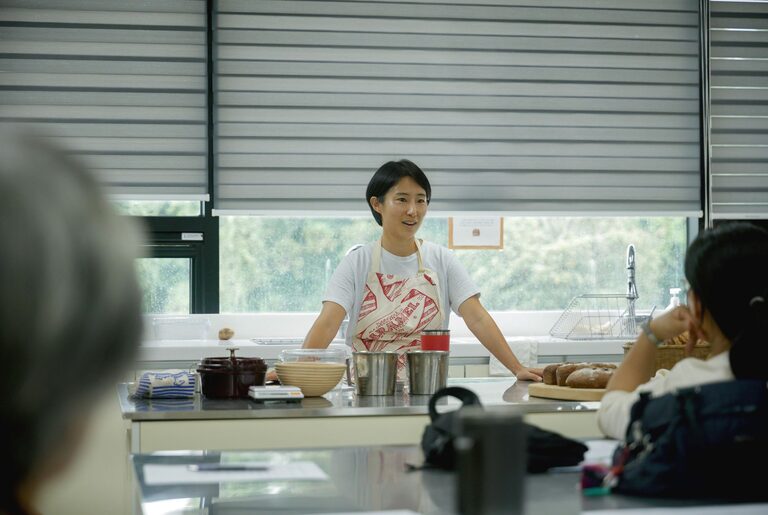
Preserving is often easier to understand when someone demonstrates the process. Instructors can show how to prepare produce, measure ingredients, fill containers, and label finished foods.
Hands-on instruction may be especially helpful for people who have not preserved food before or who want to refresh skills learned many years ago.
A connection to familiar traditions
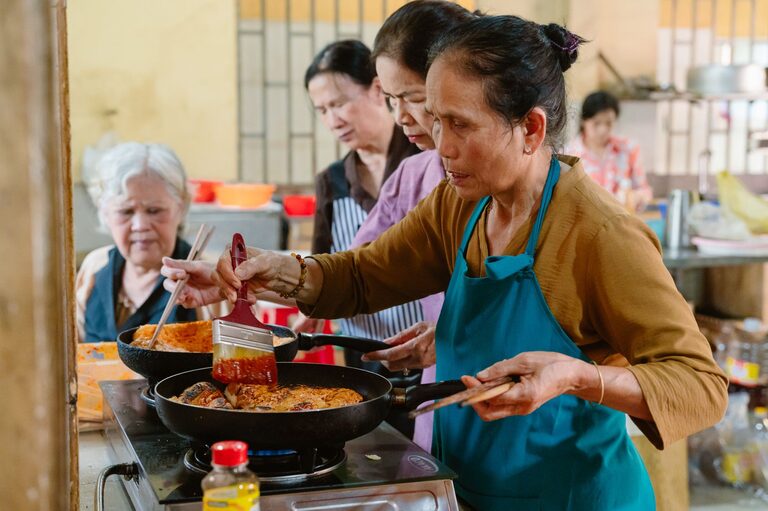
Preserving classes often bring together several generations of cooking knowledge. Some participants may remember making preserves with parents or grandparents. Others may be discovering these techniques for the first time.
Sharing stories about favorite recipes and seasonal ingredients can make the class feel personal. It also gives older cooks a chance to contribute their own knowledge, rather than simply receiving instruction.
A welcoming social activity
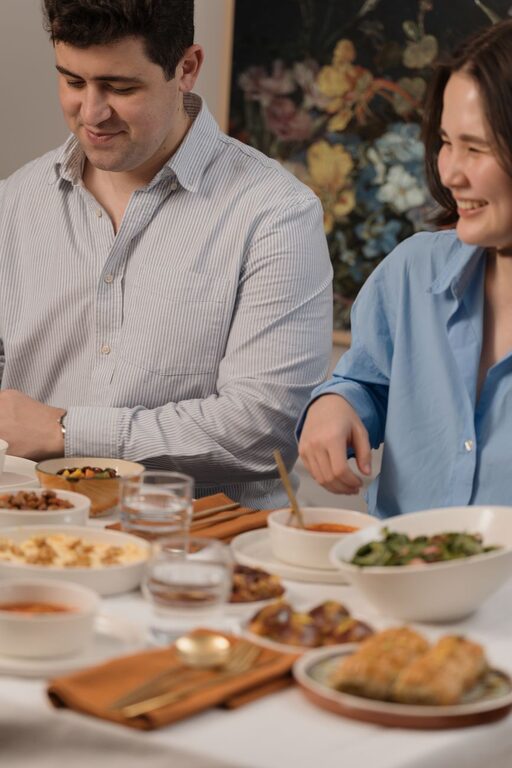
Classes offer more than recipes. They provide a reason to leave home, meet neighbors, and enjoy a shared activity. Participants often compare ideas, talk about local produce, and exchange serving suggestions.
For many people, the social part of the experience is just as valuable as the finished jars.
Common Topics Covered in Preserving Classes
A well-planned class usually introduces one or two techniques instead of trying to cover every method at once.
Jam and fruit spreads
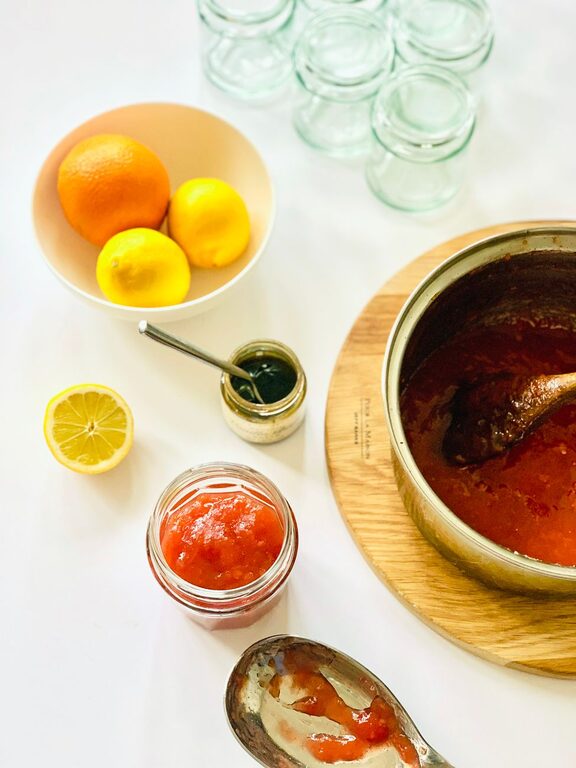
Fruit spreads are popular because they use familiar ingredients and can be made in small quantities. Participants may learn how fruit, sugar, and thickening ingredients work together.
Classes often discuss ways to use finished spreads beyond toast, such as with yogurt, oatmeal, baked goods, or simple desserts.
Pickles and relishes
Small-batch pickling can be a practical way to use cucumbers, onions, carrots, or other vegetables. Some classes focus on refrigerator pickles, which are stored in the refrigerator rather than processed for long-term shelf storage.
Participants may also learn how herbs and spices change the flavor of a basic pickle recipe.
Freezing and drying
Not every preserving method involves jars. Freezing and drying can be useful options for herbs, fruits, and selected vegetables.
Classes may demonstrate how to prepare food for the freezer, choose suitable containers, and label packages clearly. Drying lessons may cover herbs, fruit slices, or simple ingredients that can be added to soups and baked dishes later.
Safe storage practices
Food safety is an important part of any responsible preserving class. Instructors should use reliable, tested recipes and explain how storage methods affect the finished food.
Lessons may include:
– Cleaning equipment and work surfaces
– Using appropriate containers
– Following tested instructions
– Checking seals when relevant
– Labeling foods with names and dates
– Storing foods under the correct conditions
– Recognizing when a preserved food should not be used
Clear guidance helps participants feel confident while avoiding guesswork.
Features That Make Classes More Accessible
Programs serving older adults often succeed when they consider comfort and convenience as carefully as the recipes.
Useful features may include:
– Seating during demonstrations
– Large-print recipe sheets
– Clear, step-by-step instructions
– Good lighting
– Comfortable room temperatures
– Lightweight equipment where possible
– Convenient class times
– Small group sizes
– Staff or volunteers available to assist
Some classes provide ingredients and equipment so participants do not need to purchase supplies before attending. Others offer take-home kits with jars, labels, recipe cards, or measuring tools.
Accessibility does not mean making the class less active. It means creating an environment where more people can participate comfortably.
How Instructors Keep the Experience Simple
Good instructors break each recipe into short, understandable steps. They explain why a step matters without using unnecessary technical language.
A typical class might follow this structure:
- Introduce the recipe and ingredients.
- Explain the equipment and storage method.
- Demonstrate preparation.
- Let participants work in pairs or small groups.
- Review storage and labeling.
- Taste or discuss ways to serve the finished food.
This format gives participants a clear beginning and end. It also leaves room for questions and conversation.
Instructors may offer variations for different tastes, such as using less spice, combining two fruits, or choosing herbs that participants already enjoy. Any changes should still follow safe, reliable instructions when storage is involved.
The Role of Local Produce
Small-batch preserving classes often connect participants with seasonal ingredients. Community gardens, farmers markets, food cooperatives, and local farms may provide produce or partner with class organizers.
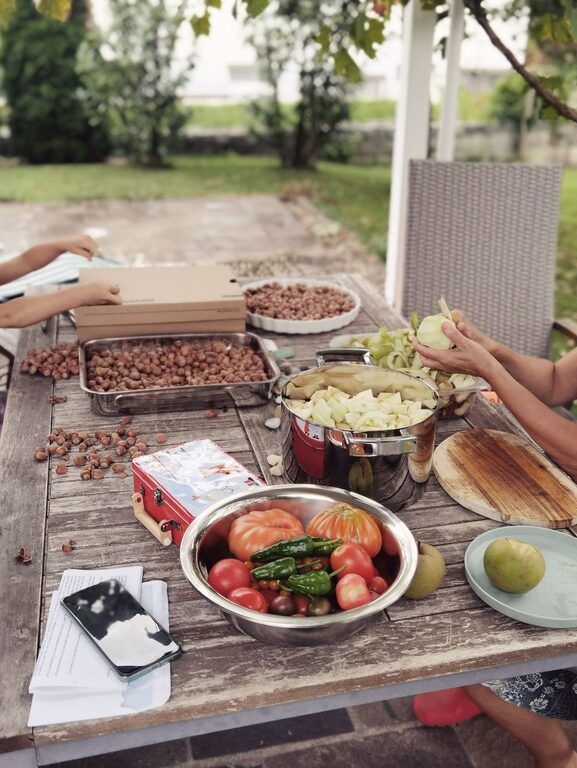
Seasonal cooking can make preserving feel more affordable and purposeful. A class held during berry season might focus on fruit spreads, while a late-summer session could feature tomatoes, peppers, or cucumbers.
Using local ingredients also encourages participants to notice what is available in their area. Even a small amount of fresh produce can become a useful addition to meals later in the year.
Tips for Choosing a Class
Older home cooks looking for a preserving class can consider several questions:
– Is the class designed for beginners?
– Are ingredients and equipment provided?
– Does the instructor use tested recipes?
– Is the pace comfortable?
– Are printed instructions easy to read?
– Is seating available during demonstrations?
– How many people attend each session?
– Will participants take home what they make?
– Does the class cover storage and labeling?
A short introductory workshop may be the best starting point. Once participants feel comfortable, they can try more techniques or enroll in a seasonal series.
Bringing the Skills Home
After attending a class, home cooks can begin with one small project. A few jars of jam, a container of dried herbs, or a batch of refrigerator pickles can provide useful practice without taking over the kitchen.
It can help to keep a simple preserving notebook with:
– The recipe used
– The date of preparation
– Ingredient changes
– Storage details
– Personal tasting notes
Over time, this record can become a collection of trusted recipes and ideas.
A Practical Tradition for Today
The rise of small-batch preserving classes reflects a broader interest in practical, hands-on cooking. These programs respect traditional skills while adapting them to modern homes, smaller households, and busy schedules.
For people 65 and older, the classes offer an enjoyable combination of learning, creativity, and community. Participants can make food they are proud to share, use seasonal ingredients wisely, and continue building confidence in the kitchen—one manageable batch at a time.
About the Author