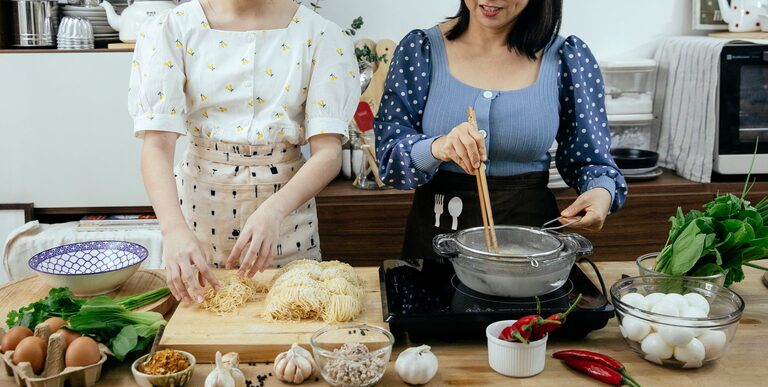
A New Way to Enjoy a Favorite Hobby
For many older women, cooking is more than a daily task. It can be a creative outlet, a connection to family traditions, and a way to welcome people into the home. Now, cookbook clubs are giving this familiar hobby a more social setting.
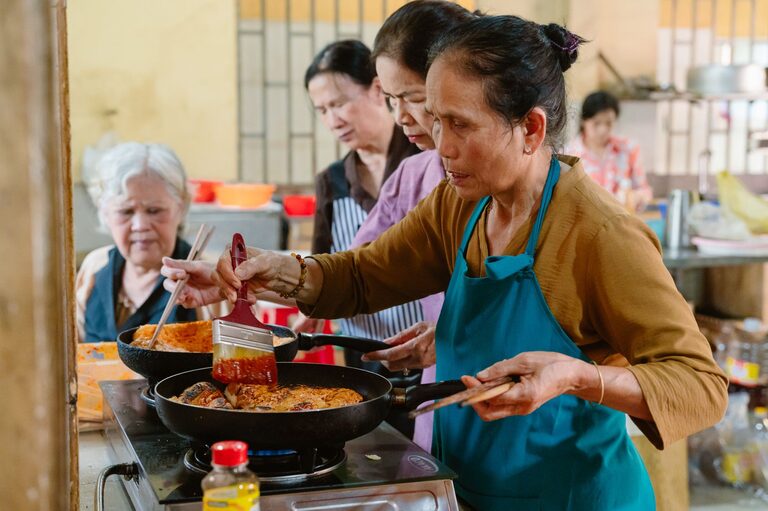
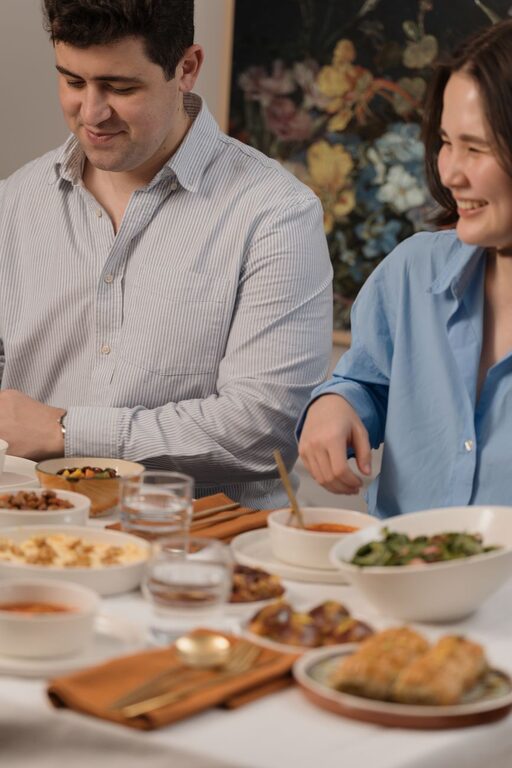
A cookbook club is a group that chooses a cookbook, selects recipes from it, and gathers to cook, taste, and discuss the results. Some groups meet in a member’s home, while others use community rooms, libraries, churches, or local clubs. The format is flexible, friendly, and easy to adjust to different interests and abilities.
Unlike a formal cooking class, a cookbook club does not require everyone to prepare the same dish or follow a strict schedule. Members can share what they know, try something new, and enjoy conversation along the way.
What Makes Cookbook Clubs Appealing?
Cookbook clubs combine several activities that many people already enjoy:
- Trying new recipes without cooking alone
- Sharing favorite family dishes and food memories
- Meeting people with similar interests
- Learning practical kitchen tips from others
- Creating a regular reason to gather
The groups also offer a welcome balance between structure and choice. Each meeting has a theme or selected book, but members can decide how much they want to participate. Someone may bring a main dish, while another person contributes a salad, dessert, drink, or simply a story about the recipe.
This makes the club approachable for people with different cooking styles. Experienced cooks can share techniques, while beginners can take part without feeling tested.
From Recipe Sharing to Storytelling
Food often carries memories. A recipe may remind someone of a parent’s kitchen, a holiday gathering, a first apartment, or a favorite trip. Cookbook club meetings create a natural opportunity to share those stories.
A discussion about a simple soup can lead to memories of winter meals. A cake recipe may bring up family celebrations. Even an unfamiliar dish can become a starting point for talking about places, traditions, and personal experiences.
These conversations are part of what makes cookbook clubs different from ordinary dinner gatherings. The food provides a common focus, but the stories help members get to know one another.
How a Typical Cookbook Club Works
There is no single right way to organize a cookbook club. Many groups begin with a monthly meeting and make changes as they learn what works best.
A typical meeting may follow this pattern:
- The group selects a cookbook or cooking theme.
- Members choose recipes they would like to prepare.
- Everyone agrees on a date, location, and simple plan.
- Members bring their dishes and, if possible, a copy of the recipe.
- The group samples the food and talks about the cooking experience.
- Members choose the next book or theme before leaving.
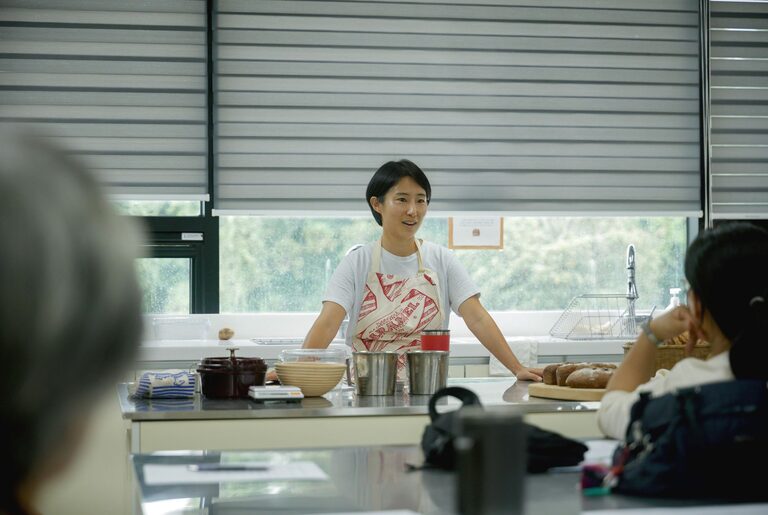
Some clubs prepare dishes at home and bring them to the meeting. Others cook together in one kitchen. A third option is a demonstration, where one or two members prepare a recipe while everyone else watches, asks questions, and shares ideas.
Rotating responsibilities can make the club feel fair. One member might host, another may coordinate the recipes, and someone else could keep track of future themes.
Choosing the Right Cookbook
The best cookbook for a club is one that encourages participation without creating unnecessary pressure. Books with clear instructions, accessible ingredients, and a range of recipe types are often good starting points.
Groups may choose cookbooks based on:
- A region or culinary tradition
- A season or holiday
- Quick weeknight meals
- Baking and desserts
- Vegetarian cooking
- Family recipes and food memories
- One featured ingredient
It can also be helpful to choose books with recipes that vary in difficulty. This gives members the freedom to select a simple dish or take on a more ambitious project.
Before settling on a book, the group should discuss ingredient availability, kitchen equipment, and the amount of time members want to spend cooking. A theme should inspire people, not make them feel obligated to shop for hard-to-find items.
Making Meetings Comfortable and Welcoming
A successful cookbook club is about connection, not perfection. Members should feel comfortable bringing a dish that looks different from the photograph or admitting that a recipe did not work as planned. Cooking mistakes often become some of the most enjoyable stories of the evening.
A few simple guidelines can help:
Keep the group manageable
A small group makes it easier for everyone to talk. Six to twelve members is often enough to create variety while keeping the gathering personal. Larger groups can divide into smaller teams or use a community space.
Share the work
The host does not need to provide everything. Members can bring food, plates, drinks, serving tools, or printed recipes. Sharing responsibilities keeps the event relaxed.
Offer flexible participation
Not everyone will want to cook every month. Members can contribute by helping with setup, leading a discussion, sharing a family recipe, or bringing a store-bought item.
Plan for practical needs
The group should ask about food preferences, ingredient concerns, and any kitchen limitations before choosing recipes. Clear communication helps everyone feel included and reduces last-minute surprises.
Using Technology Without Losing the Personal Touch
Technology can make cookbook clubs easier to organize, especially when members live in different neighborhoods. A group email or messaging thread can be used to share recipe choices, meeting details, and shopping lists.
Some clubs use online video meetings when an in-person gathering is not possible. Members can cook at the same time, demonstrate techniques, or simply show what they made. Others use shared digital documents to collect family recipes and comments.
Still, many participants value the personal warmth of meeting face to face. Technology works best as a planning tool or an occasional alternative rather than a replacement for every gathering.
Building a Lasting Community
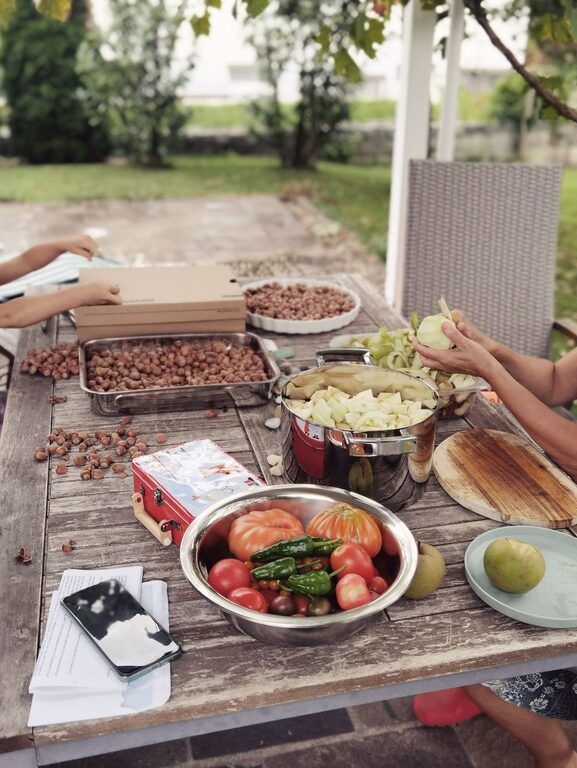
Over time, a cookbook club can become more than a monthly meal. It may lead to visits to farmers markets, group baking projects, recipe exchanges, or neighborhood potlucks. Members may also create a small collection of recipes from their meetings and give copies to everyone.
The strongest groups tend to leave room for the club to develop naturally. One month may focus on a new cookbook, while another may center on recipes contributed by members. A summer meeting could feature fresh produce, and a winter gathering might highlight warm breads or comforting desserts.
The goal is not to create a perfect menu. It is to create a shared experience.
Starting a Cookbook Club
Anyone interested in starting a group can begin with a few friends, neighbors, or acquaintances from a local organization. An informal invitation is often enough: choose a date, suggest a simple theme, and ask who would like to join.
A first meeting does not need to be elaborate. Members can bring a favorite recipe, talk about the kinds of cookbooks they enjoy, and decide whether a regular club feels right. Starting small allows the group to discover its rhythm without too many rules.
For older women who enjoy cooking, cookbook clubs offer a welcoming way to turn a familiar pastime into a shared tradition. They bring together food, creativity, laughter, and conversation—and provide a delicious reason to keep meeting.
About the Author