Culinary museums are expanding beyond display cases and written explanations. Many are adding interactive demonstrations that invite visitors to see, hear, smell, and sometimes safely try food-related activities. These programs are especially valuable for older visitors, who may appreciate a slower pace, clear instruction, comfortable seating, and opportunities to connect with familiar traditions.
From bread making and traditional cooking tools to guided tastings and storytelling, demonstrations can turn a museum visit into a welcoming social experience. They also help museums present food history in a way that feels active and personal.
Why Interactive Demonstrations Matter
Traditional museum exhibits often rely on reading labels or viewing objects behind glass. While these approaches remain important, they may not offer enough variety for every visitor. Interactive demonstrations add movement, conversation, and sensory experiences to the visit.
For older adults, these activities can provide several benefits:
– They create opportunities for social interaction.
– They connect historical objects with everyday experiences.
– They offer different ways to learn beyond reading.
– They encourage visitors to share memories and family traditions.
– They make longer museum visits feel more engaging.
– They help visitors understand how food practices have changed over time.
A demonstration also gives visitors a clear reason to gather in one place. Instead of moving quickly from one exhibit to another, guests can pause, ask questions, and follow a complete activity from beginning to end.
Demonstrations Designed for Comfort and Access
Successful programs begin with thoughtful planning. Museums are adapting demonstration spaces so visitors can participate comfortably, whether they are standing, sitting, observing, or moving through the room.
Seating and clear views
Providing chairs with back support allows visitors to enjoy a demonstration without standing for an extended period. Raised work surfaces, large display areas, and open sightlines can make tools and ingredients easier to see.
Some museums arrange seating in a semicircle rather than placing visitors in rows. This layout helps guests see the presenter and one another, creating a more conversational atmosphere.
Easy-to-follow instructions
Presenters can make activities more accessible by using simple steps and explaining unfamiliar terms. Speaking clearly, facing the audience, and repeating key points help everyone follow along.
Large-print handouts, illustrated instructions, and written summaries can support visitors who prefer to review information at their own pace. Demonstrations may also include captions or assistive listening equipment when available.
A flexible pace
Older visitors are not a single group with identical interests or needs. Some may want to take part directly, while others prefer to watch. Offering several ways to engage makes the experience more inclusive.
A flexible session might include:
– A short introduction to the historical background
– A live demonstration by a museum educator
– Time for questions and conversation
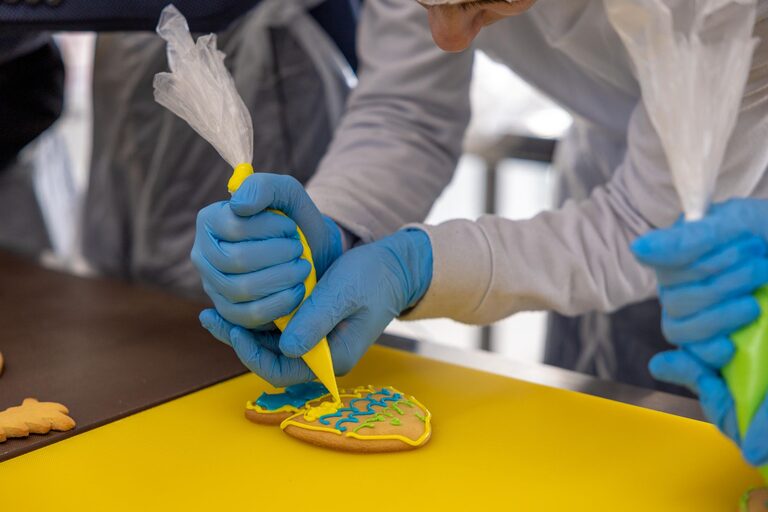
– A small hands-on activity for those who wish to participate
– A printed recipe or exhibit guide to take home
This structure allows visitors to choose their level of involvement without feeling pressured.
Popular Types of Culinary Demonstrations
Culinary museums use a wide range of activities to bring collections to life. The most effective demonstrations often connect directly to objects, documents, or traditions already featured in the museum.
Historical cooking methods
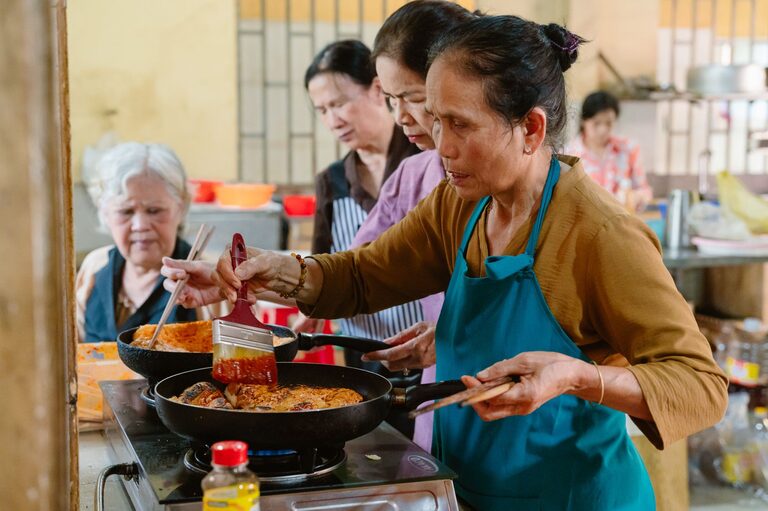
Presenters may demonstrate how people prepared food before modern appliances became common. Activities can include grinding grains, preserving fruit, shaping dough, or cooking with traditional utensils.
These sessions show how much time and effort everyday meals once required. They also help visitors understand the design and purpose of objects in the museum’s collection.
Bread and baking demonstrations
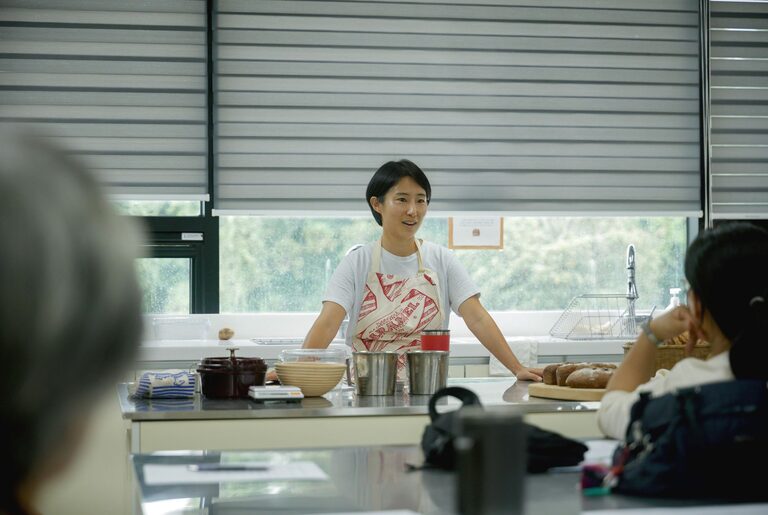
Bread making is a popular subject because it combines simple ingredients with visible changes. Visitors can watch dough being mixed, shaped, and baked while learning about regional recipes and household routines.
A baking demonstration may also encourage conversation. Many visitors remember making bread with relatives or learning a family recipe at home. Sharing these memories can make the program feel personal while adding to the museum’s oral history.
Tastings and sensory activities
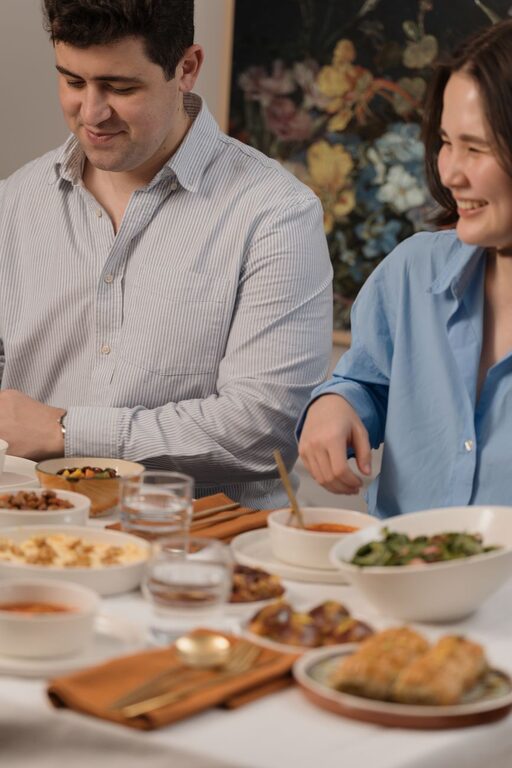
Small tastings can help visitors compare ingredients, flavors, or preparation methods. A museum might offer samples inspired by a particular time period or region, along with information about how those foods were served.
Sensory activities should be clearly explained and carefully organized. Museums can label ingredients, provide alternatives when possible, and give visitors the choice to observe without tasting.
Tools and technology
Some demonstrations focus on kitchen equipment, from hand-operated tools to early household machines. Educators can show how a tool works, explain who used it, and compare it with a modern version.
This approach encourages visitors to think about changes in household life. It also gives the audience a practical understanding of objects that may otherwise seem unfamiliar.
Connecting Food History With Personal Memories
Food often carries strong connections to family, place, and celebration. Culinary museums can use demonstrations as starting points for respectful conversations about these connections.
A presenter might ask visitors about holiday dishes, neighborhood bakeries, or cooking techniques they learned as children. These questions give guests a chance to contribute knowledge rather than simply receive information.
Some museums record these stories for future exhibits or community archives, with the visitor’s permission. Others invite guests to write memories on cards or add recipes to a shared display.
These activities make older visitors active contributors to the museum experience. Their memories can add context that is not always found in formal collections or historical documents.
Training Staff and Volunteers
A strong demonstration depends on well-prepared presenters. Staff and volunteers need more than cooking knowledge. They also need to understand how to welcome a mixed-age audience and manage different participation levels.
Useful training topics include:
– Speaking at a clear, comfortable pace
– Explaining steps before beginning an activity
– Handling questions with patience
– Keeping walkways and work areas clear
– Offering seated and standing participation
– Checking that printed materials are easy to read
– Inviting stories without putting visitors on the spot
Presenters should also know how to adjust if a session runs longer than expected or if visitors need additional explanation. A calm, friendly approach can make the demonstration more enjoyable for everyone.
Making Programs Social and Community Focused
Interactive demonstrations often work best when they are part of a larger program. Museums may combine cooking activities with guided tours, community talks, recipe exchanges, or visits from local food producers.
Special sessions for community groups can provide a welcoming introduction to the museum. Partnerships with libraries, senior centers, cultural organizations, and neighborhood groups may help museums reach visitors who have not attended before.
Scheduling also matters. Daytime demonstrations, advance reservations, and clearly posted details can make planning easier. Information should explain the length of the program, seating arrangements, participation options, and any tasting details.
The Future of Culinary Museum Experiences
Interactive demonstrations are helping culinary museums become more welcoming and memorable places. By combining objects, stories, practical activities, and conversation, these programs offer a fuller picture of food culture.
For older visitors, the experience can be both educational and familiar. A demonstration may introduce a new historical fact while also bringing back memories of a kitchen, a family gathering, or a treasured recipe.
The best programs do not treat older adults as a separate audience with limited interests. Instead, they create spaces where visitors of all ages can learn together, share knowledge, and take part at their own pace. This approach allows culinary museums to preserve the past while making it meaningful for today’s communities.
About the Author