Community kitchens in towns and cities are expanding their morning baking sessions to welcome more retired women. These programs offer a relaxed place to learn, share recipes, and enjoy regular social time with others.
The sessions are often held once or twice a week in shared kitchens, neighborhood centers, libraries, or community halls. Participants may bake traditional family recipes, learn new techniques, or prepare food for local events. The goal is not simply to produce bread, cakes, or pastries. It is also to create a friendly setting where people can stay active, meet neighbors, and contribute to the wider community.
Why Morning Baking Sessions Are Growing
Many community kitchens have noticed that mornings work well for retired participants. The earlier schedule leaves the rest of the day open for errands, appointments, family visits, or other activities.
Morning sessions can also provide a comfortable routine. Participants know that on a certain day each week, they can expect a welcoming group, a familiar kitchen, and a practical activity to enjoy.
Several factors have contributed to the growth of these programs:
– More retired residents are looking for regular social activities.
– Community kitchens already have the equipment needed for group baking.
– Local organizations want to preserve family recipes and food traditions.
– Volunteers are available to help with teaching and preparation.
– Baked goods can support neighborhood gatherings and community events.
The sessions are usually designed for a range of experience levels. Beginners may learn how to measure ingredients or shape dough, while experienced bakers can share helpful tips and variations.
A Place to Learn and Share
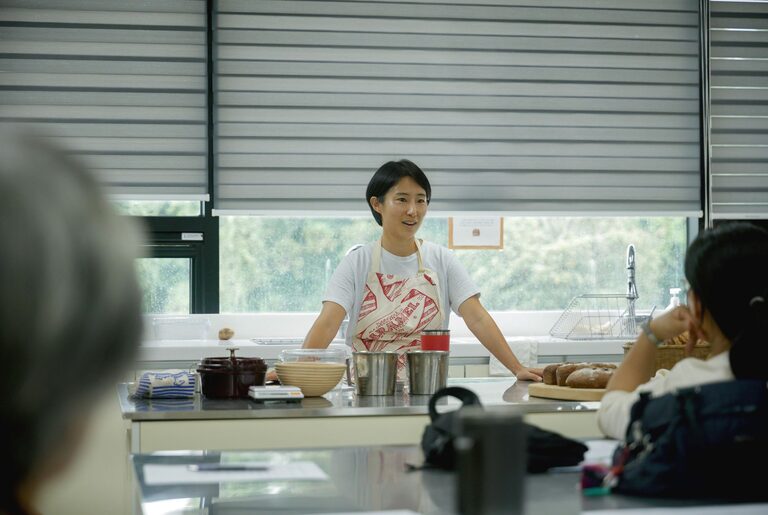
A typical morning session begins with coffee, tea, and a short introduction to the day’s recipe. The group may then divide tasks such as weighing flour, preparing fillings, mixing batter, or setting out baking trays.
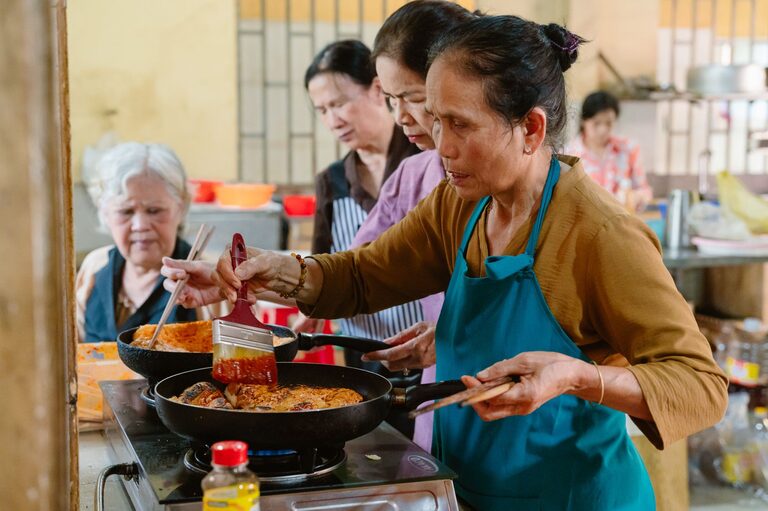
Rather than relying on a formal classroom structure, many programs encourage participants to learn from one another. Someone who has baked bread for decades may demonstrate how to knead dough. Another participant may explain how her family prepares a certain fruit cake or savory pastry.
This exchange of knowledge gives the sessions a personal quality. Recipes often come with stories about holidays, relatives, local celebrations, or childhood memories. As participants share these stories, the kitchen becomes a place where food and community history come together.
Common Recipes on the Menu
Each kitchen sets its own menu, but popular choices often include:
– Fresh bread and dinner rolls
– Muffins and simple tea cakes
– Fruit pies and seasonal tarts
– Cookies and biscuits
– Savory pastries
– Flatbreads and filled breads
– Traditional recipes from different cultures
Organizers often choose recipes that can be completed within two or three hours. They may also select items that are easy to package and share after the session.
Supporting Skills and Confidence
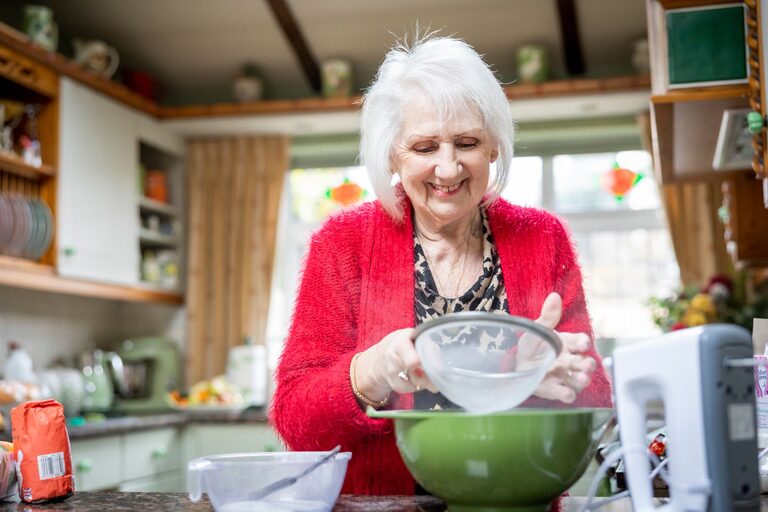
Retirement can bring more free time, but it can also change a person’s daily routine. Morning baking sessions provide structure without creating pressure. Participants can work at a comfortable pace and decide how much they want to take on.
For newer bakers, the sessions offer a chance to practice basic skills in a supportive setting. Volunteers can explain kitchen equipment, demonstrate techniques, and help participants solve common problems. Mistakes are treated as part of the learning process rather than something to avoid.
Experienced bakers benefit as well. Teaching a technique or adapting a recipe can encourage them to try new ideas. Some participants have begun creating their own recipes after attending several sessions.
The practical skills gained in these programs may include:
– Reading and adjusting recipes
– Measuring ingredients accurately
– Using ovens and mixers safely
– Preparing dough and batters
– Understanding baking times
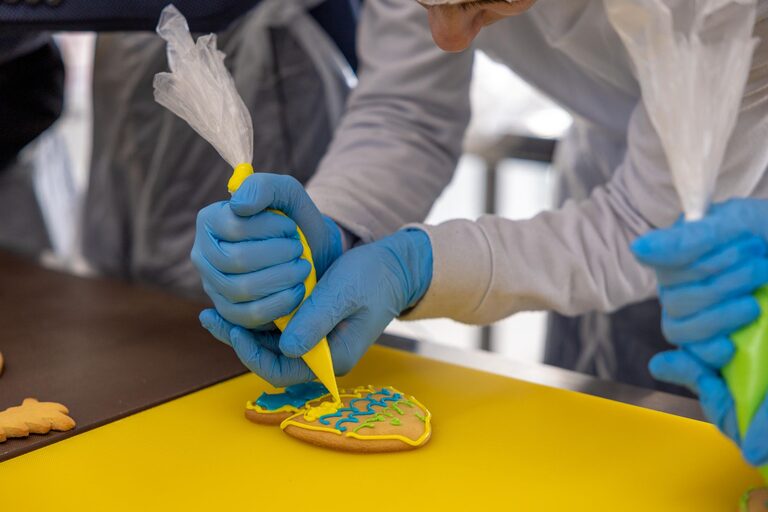
– Decorating and presenting finished items
– Organizing work in a shared kitchen
These skills are useful at home, but the larger benefit is often the confidence that comes from learning alongside others.
Building Stronger Social Connections
One of the most important features of community baking is the opportunity to connect. People who live near one another may not meet in everyday life, even when they shop at the same stores or use the same public spaces.
A shared kitchen creates a natural reason to talk. Participants work in small groups, exchange advice, and sit together while waiting for items to bake. Conversations may begin with a recipe and continue into discussions about local activities, hobbies, or family life.
Over time, regular attendance can lead to lasting friendships. Some groups arrange additional activities, such as recipe swaps, garden visits, book discussions, or shared lunches.
The welcoming atmosphere can also make it easier for newcomers to take part. Organizers often use a buddy system, introduce new members at the beginning of each session, and make sure that tasks are shared fairly.
Giving Back to the Neighborhood
Many community kitchens use part of their baking sessions to support local projects. Participants may prepare food for senior centers, community fairs, school events, or neighborhood celebrations.
Some groups package extra items for community fridges or local food programs. Others sell baked goods at small events and use the proceeds to purchase ingredients, maintain equipment, or support community activities.
These efforts allow participants to see the direct results of their work. A tray of bread or a box of cookies becomes more than a finished recipe. It becomes a contribution to a local gathering or a practical way to support neighbors.
Organizers usually discuss food handling, labeling, and storage before beginning any community distribution. Clear guidelines help keep the process organized and ensure that everyone understands their role.
Making Sessions Accessible
As interest grows, community kitchens are looking for ways to make the sessions comfortable and easy to join. Helpful features may include:
– Step-free access to the kitchen
– Adjustable work surfaces
– Large-print recipes
– Clear signs and simple instructions
– Seating for rest breaks
– Easy-to-use equipment
– Transportation information
– Flexible participation options
Keeping fees low is another important consideration. Some kitchens provide ingredients through donations or local grants. Others use a sliding fee system or offer free places for participants who need them.
Advance registration can help organizers plan ingredient purchases and manage kitchen space. However, allowing occasional drop-in visits can make the program more welcoming to people who are unsure about making a regular commitment.
How to Start or Join a Baking Group
People interested in these sessions can begin by checking with community centers, libraries, senior activity programs, places of worship, or local volunteer organizations. Online community calendars may also list cooking and baking activities.
Anyone starting a new group should consider the following steps:
- Identify a suitable kitchen with safe, accessible equipment.
- Choose a regular morning schedule.
- Decide whether the group will focus on learning, social time, community service, or a mix of all three.
- Create a simple registration process.
- Plan recipes that match the available time and equipment.
- Recruit volunteers to help with preparation and cleanup.
- Set clear food safety and kitchen use guidelines.
- Ask participants for ideas and feedback.
A successful program does not need to be elaborate. A modest kitchen, a few practical recipes, and a welcoming group can provide a strong foundation.
Looking Ahead
The expansion of morning baking sessions reflects the value of simple, community-based activities. These programs bring people together through useful work, shared traditions, and the enjoyment of freshly prepared food.
For retired women, the sessions can offer a regular place to learn, contribute, and build friendships. For the wider neighborhood, they create opportunities to preserve recipes, support local events, and strengthen connections between residents.
As more community kitchens open their doors in the morning, baking becomes more than a household skill. It becomes a way to build a welcoming community, one recipe and one conversation at a time.
About the Author