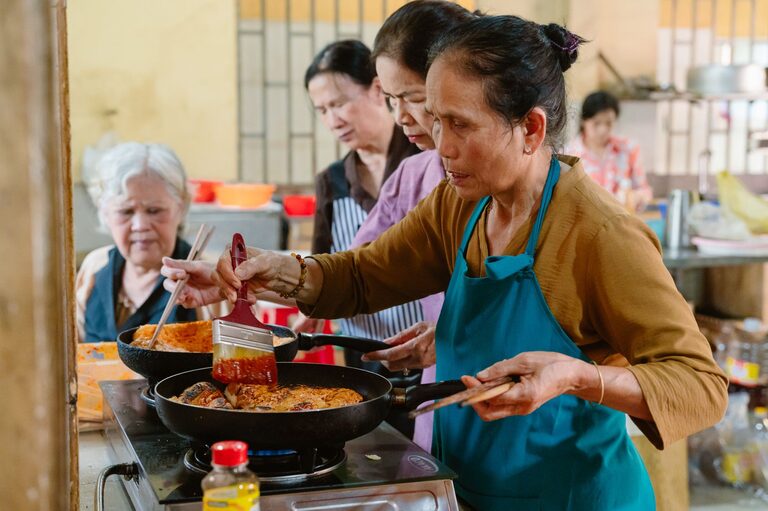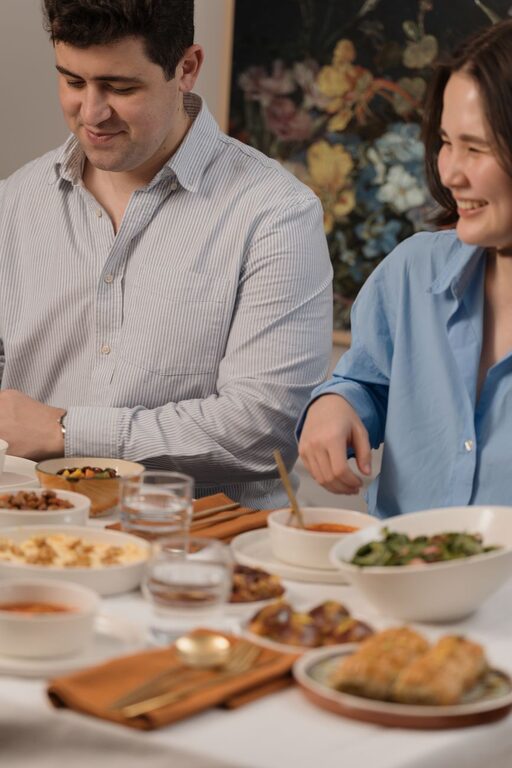
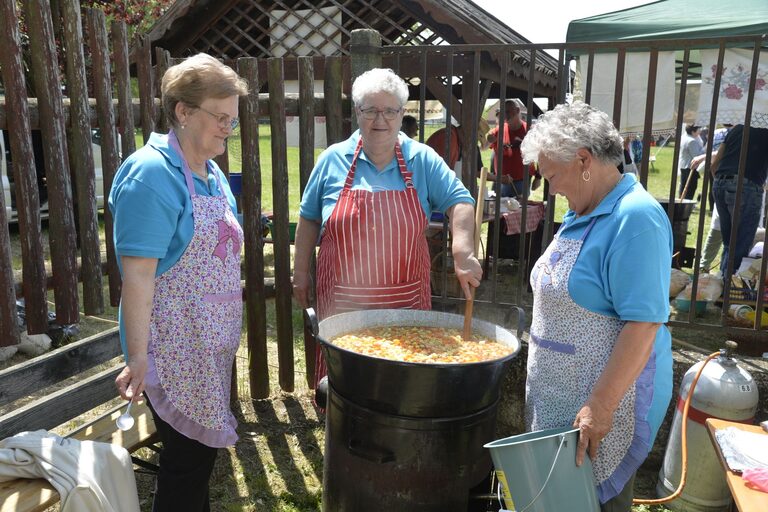
Local food festivals are becoming more than places to sample regional dishes and browse vendor stalls. Many are now adding hands-on cooking workshops designed especially for women ages 65 and older.
These sessions offer a welcoming way to learn new techniques, revisit familiar recipes, and share food traditions with other community members. They also give festivals a chance to recognize the experience and creativity that older women bring to local food culture.
Why Cooking Workshops Matter
Food festivals have always celebrated ingredients, recipes, and the people who prepare them. Hands-on workshops build on that idea by inviting visitors to take part rather than simply watch demonstrations.
For women 65 and older, these classes can provide:
– A relaxed setting for learning new cooking methods
– Opportunities to meet people with similar interests
– A chance to share family recipes and food memories
– Practical ideas for preparing simple, flavorful meals
– Encouragement to try ingredients from local farms and producers
– A meaningful role in the festival’s activities
The workshops are not built around competition. Instead, they focus on participation, conversation, and enjoyment. Attendees can cook at their own pace while instructors explain each step clearly.
A New Feature at Local Food Festivals
Festival organizers are adding these workshops for several reasons. Older adults are an important part of many communities, and event planners are looking for ways to make festivals more inclusive and engaging for a wider range of ages.
A cooking class can also connect different parts of the festival. Ingredients purchased from a local farmer may become part of a recipe prepared in the workshop. A nearby bakery, restaurant, or culinary school may provide instructors. Local gardeners and home cooks may contribute ideas or demonstrations.
This creates a shared experience that highlights the entire local food system.
Some festivals schedule one or two classes during the day, while larger events may offer a full series. Popular topics can include seasonal vegetables, homemade pasta, baking, preserving, soups, sauces, and regional comfort foods.
What Participants Can Expect
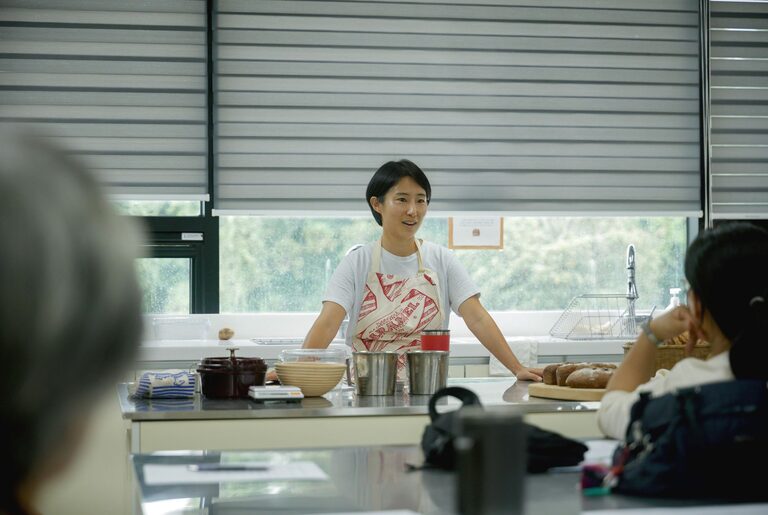
A typical workshop begins with a short introduction to the featured ingredients and recipe. The instructor then demonstrates important steps before participants work in small groups or at individual stations.
Classes may include:
Seasonal Cooking
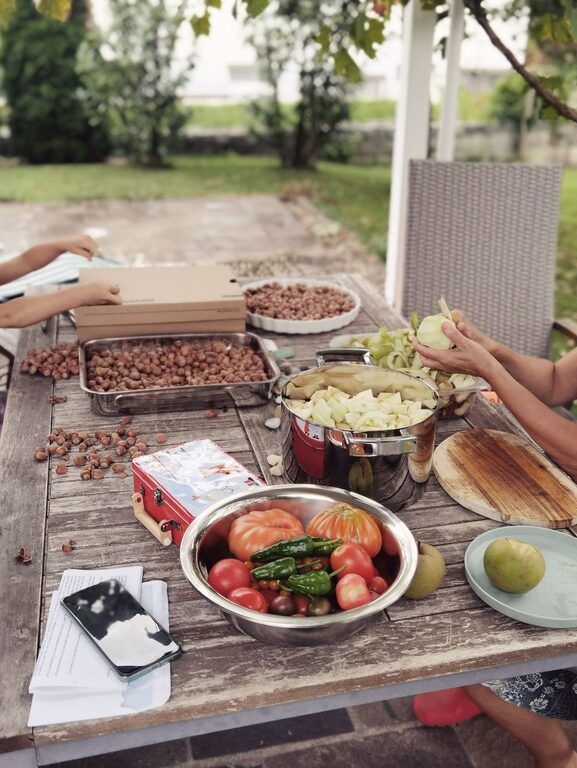
These sessions focus on ingredients that are fresh and widely available at the time of the festival. A summer workshop might feature tomatoes, corn, peaches, or fresh herbs. A fall class could highlight apples, squash, beans, or root vegetables.
Seasonal cooking helps participants understand how to make the most of local produce. It can also inspire simple menu ideas for home.
Family Recipe Exchanges
Some workshops invite participants to bring a favorite recipe or describe a dish that has special meaning. The instructor may use these stories as a starting point for discussing cooking methods and ingredient substitutions.
This format gives older women a chance to share knowledge that may have been passed through generations. It also helps younger attendees discover recipes and traditions they might not otherwise encounter.
Baking and Dough Making
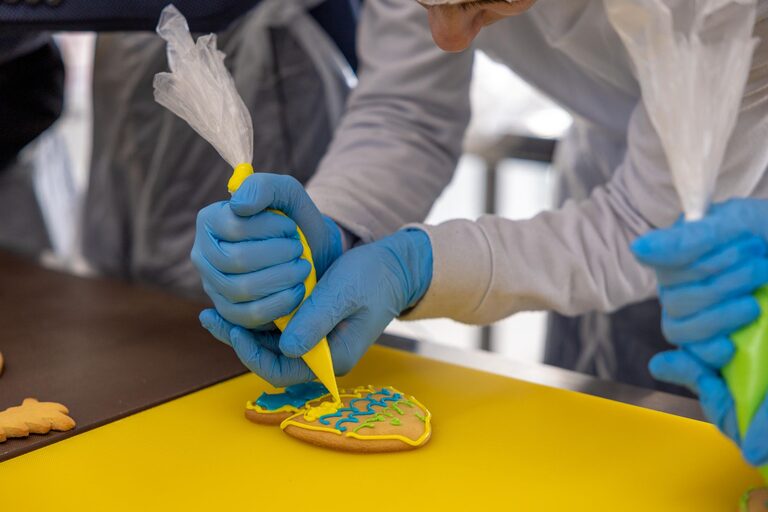
Bread, biscuits, pies, and other baked goods are common workshop subjects. Participants can practice mixing, shaping, rolling, and decorating under the guidance of an experienced instructor.
Baking classes are especially useful when the teacher explains how small changes in temperature, timing, or ingredient measurement can affect the final result.
Simple Meals with Local Ingredients
Some sessions focus on practical meals that do not require complicated equipment or long preparation. A class might show how to turn fresh vegetables, grains, beans, eggs, or herbs into a satisfying dish.
These workshops are often popular because participants leave with ideas they can easily adapt at home.
Designing Workshops for Comfort and Access
A successful workshop should be enjoyable from beginning to end. Organizers are paying closer attention to the physical layout, schedule, and pace of each class.
Helpful features may include:
– Comfortable chairs at each workstation
– Clear aisles and easy-to-read signs
– Good lighting and visible demonstrations
– Printed recipes with large, readable text
– Lightweight tools that are simple to handle
– Frequent breaks during longer sessions
– Classes held at times that do not conflict with other festival activities
– Staff members available to answer questions
The goal is not to make assumptions about participants. Women over 65 have a wide range of cooking experience, energy levels, and interests. Offering different class lengths and difficulty levels allows each person to choose a comfortable fit.
Organizers can also ask attendees for feedback after each session. Simple surveys or informal conversations may reveal which topics, tools, and teaching styles work best.
Learning Across Generations
Although these workshops are designed with women 65 and older in mind, they can bring together people of many ages. A teenager may work alongside a grandmother. A professional chef may learn a traditional technique from a home cook. A longtime resident may introduce a newcomer to a local dish.
This exchange can make the festival more welcoming and memorable. It also shows that cooking knowledge moves in many directions. Older participants may learn about newer kitchen tools or food trends, while younger participants gain insight into traditional preparation methods.
Some festivals pair experienced home cooks with younger volunteers. The partners prepare a recipe together and talk about how food habits have changed over time. These conversations often become one of the most valued parts of the event.
How Organizers Can Build Better Programs
Food festival planners interested in adding these classes can begin with a small pilot program. One well-planned workshop may provide more useful feedback than a large schedule created without community input.
Organizers should consider:
- **Asking local women what they want to learn.** Short questionnaires can identify popular topics and preferred class times.
- **Working with trusted instructors.** Local chefs, culinary teachers, farmers, bakers, and experienced home cooks can bring different strengths.
- **Using familiar ingredients.** Recipes connected to the area can make the class feel more personal.
- **Keeping groups manageable.** Smaller classes allow more time for questions and practice.
- **Sharing clear registration details.** Participants should know the cost, length, menu, equipment, and accessibility features before signing up.
- **Planning for leftovers.** Extra food can be shared with volunteers or handled according to local food safety guidelines.
- **Celebrating participant contributions.** A recipe wall, story table, or community cookbook can extend the workshop beyond the festival.
A Growing Place for Shared Food Stories
Hands-on cooking workshops give local food festivals a deeper sense of community. They create space for women 65 and older to learn, teach, experiment, and connect with others.
The most successful sessions do not treat older participants as a single group with the same interests. Instead, they offer choices and respect the knowledge each person brings. A beginner may want to learn basic knife skills, while an experienced cook may prefer a class on regional baking or creative uses for seasonal produce.
By combining practical instruction with conversation and local ingredients, food festivals can become places where culinary traditions are not only displayed but actively shared. For many attendees, the best part of the day may be taking home a new recipe, a useful technique, or a story from someone they met around the cooking table.
About the Author