A Simple Tradition With New Energy
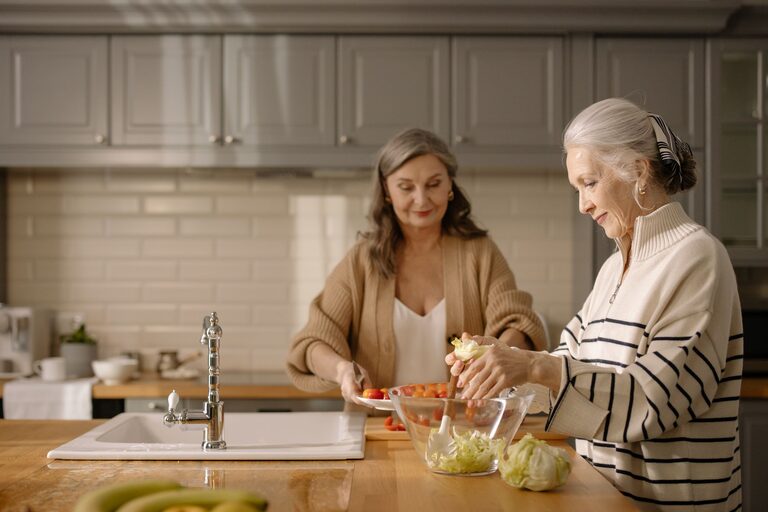
Across many communities, regional pasta-making gatherings are becoming popular with women aged 65 and older. These events bring people together around a familiar activity: preparing pasta by hand.
Some gatherings take place in community halls, cultural centers, churches, libraries, or private homes. Others are organized by cooking clubs, senior groups, local restaurants, or heritage organizations. While the recipes may differ from one region to another, the purpose is often similar: to cook, talk, learn, and enjoy time together.
Handmade pasta offers more than a meal. It creates a setting where people can share family traditions, make new friends, and pass useful skills to younger generations.
More Than a Cooking Class
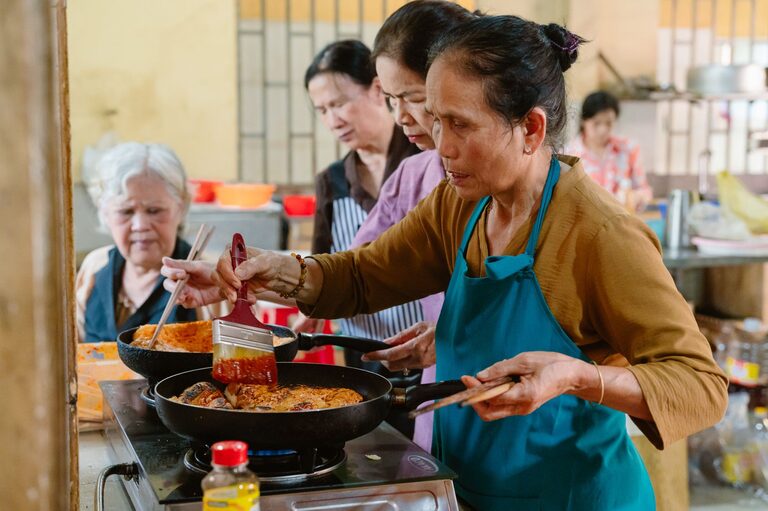
A regional pasta-making gathering is not always a formal class. In many cases, it is a relaxed social event where everyone contributes.
One person may prepare the dough, another may shape pasta, and someone else may organize sauces or desserts. Experienced cooks often guide beginners, but the atmosphere is usually cooperative rather than competitive.
These gatherings may include:
– Demonstrations of local pasta shapes
– Shared family recipes
– Stories about regional food customs
– Lessons on preparing dough by hand
– Group meals after the cooking is complete
– Music, conversation, or cultural presentations
– Recipe exchanges and printed take-home instructions
The activity gives participants something to do with their hands while leaving plenty of room for conversation. That combination makes the gatherings especially appealing to people who enjoy both cooking and social connection.
Preserving Regional Food Traditions
Every region has its own approach to pasta. Differences may appear in the ingredients, thickness, shape, filling, or cooking method.
One community may be known for filled pasta, while another may favor long ribbons, small dumplings, or rustic hand-cut shapes. Some recipes rely on eggs, while others use only flour and water. Seasonal ingredients also influence the final dish.
Women who learned to cook from parents, grandparents, or neighbors often hold valuable knowledge that is not written in cookbooks. They may remember how dough should feel, how long it should rest, or how a particular sauce was prepared for holidays.
Gatherings provide a way to record and share this knowledge. Participants may write down measurements, photograph finished dishes, or explain the history behind a recipe. These details help preserve food traditions that might otherwise be forgotten.
At the same time, traditions can change. A group may adapt an old recipe to use ingredients that are easier to find or create a smaller portion for a modern household. The result is a living tradition rather than a fixed rulebook.
A Welcoming Social Experience
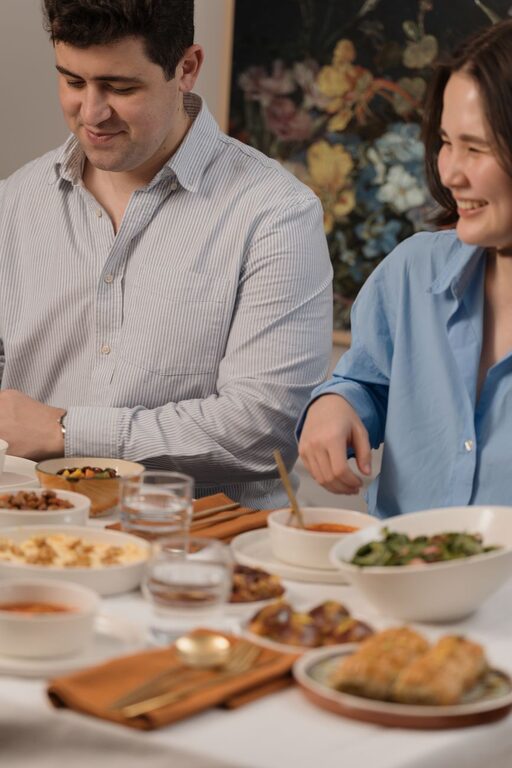
For many participants, the social side of pasta-making is just as important as the cooking. A shared table offers an easy way to meet people without the pressure of a formal introduction.
New attendees can join by helping with simple tasks, such as dusting work surfaces, arranging tools, or preparing ingredients. As the activity continues, conversations often develop naturally.
Regular gatherings can also help build a stronger sense of community. Participants may begin attending other local events, exchanging contact information, or forming smaller cooking groups. Friendships often grow through repeated meetings and shared experiences.
Organizers can make events more welcoming by offering:
– Clear instructions for first-time guests
– Seating for breaks and conversation
– Flexible roles for different experience levels
– Large-print recipes and schedules
– A friendly introduction at the beginning
– Time for everyone to taste and discuss the food
The goal is not to see who makes the most perfect pasta. The goal is to create a comfortable experience that people want to repeat.
Learning Across Generations
Many regional pasta gatherings include younger family members, students, or local volunteers. This creates a useful exchange of knowledge.
Older participants may teach traditional techniques, while younger guests may help with photographs, event promotion, online recipe collections, or modern kitchen tools. Both groups have something to offer.
Intergenerational events can be especially meaningful when a grandmother, daughter, and grandchild prepare pasta together. The activity gives families a chance to talk while working side by side. It also turns an ordinary recipe into a shared memory.
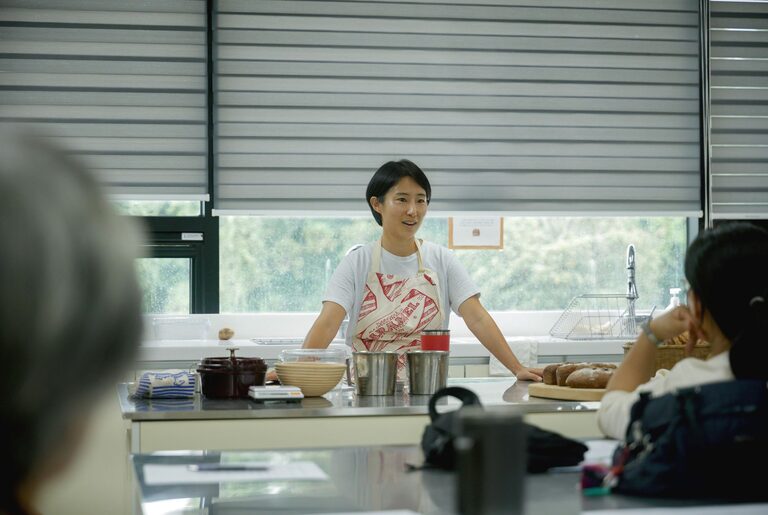
Schools and community organizations sometimes invite experienced home cooks to lead demonstrations. These sessions can introduce children and young adults to food preparation in a relaxed and practical way.
The Appeal of Hands-On Cooking
Handmade pasta requires attention, but it does not demand complicated equipment. Many recipes can be prepared with basic ingredients and a rolling pin or simple pasta cutter.
The process is also easy to divide into steps. Participants can measure ingredients, mix dough, knead, roll, cut, fill, or shape pasta according to their interests.
This hands-on approach appeals to people who enjoy making something tangible. At the end of the gathering, participants can see and taste the results of their work.
The activity also encourages patience and creativity. Pasta shapes do not need to be identical, and small imperfections often give handmade food its character. Each group develops its own rhythm and style.
Supporting Local Culture and Small Businesses
Regional pasta gatherings can benefit the wider community. Organizers may purchase flour, eggs, herbs, cheese, and other ingredients from nearby shops or markets.
Some events partner with local restaurants, bakeries, farms, or specialty food producers. These partnerships introduce attendees to local businesses and help highlight regional products.
A gathering can also become part of a town festival, cultural weekend, or tourism program. Visitors may attend a demonstration, enjoy a shared meal, and learn more about the area’s food history.
When planned thoughtfully, these events support both cultural preservation and local economic activity without losing their personal, community-focused character.
How to Start a Pasta-Making Gathering
Creating a small gathering does not require a large budget or professional kitchen. A simple plan can be enough.
Choose a Clear Theme
The group might focus on one pasta shape, a holiday recipe, or dishes from a particular region. A clear theme makes planning easier and gives participants something specific to look forward to.
Find a Comfortable Location
Choose a space with sturdy tables, good lighting, access to water, and enough room for participants to move safely. A community room or private home can work well for a small group.
Plan the Tasks
Prepare a list of ingredients, tools, and jobs. Assigning roles helps the event run smoothly and makes it easier for new participants to take part.
Keep the Schedule Relaxed
Allow time for introductions, demonstrations, cooking, tasting, and conversation. The best gatherings often leave room for stories and unplanned moments.
Record the Recipes
Invite participants to contribute measurements, cooking notes, and family memories. A shared booklet or digital collection can become a lasting record of the group’s work.
A Tradition With Room to Grow
The popularity of regional pasta-making gatherings reflects a desire for meaningful, social activities that connect people with food and place. For women 65 and older, these events offer an opportunity to share experience, learn something new, and enjoy time with others.
Whether the gathering includes five people around a kitchen table or dozens in a community hall, the basic appeal remains the same. Flour becomes dough, dough becomes pasta, and a familiar recipe becomes a reason for people to come together.
About the Author