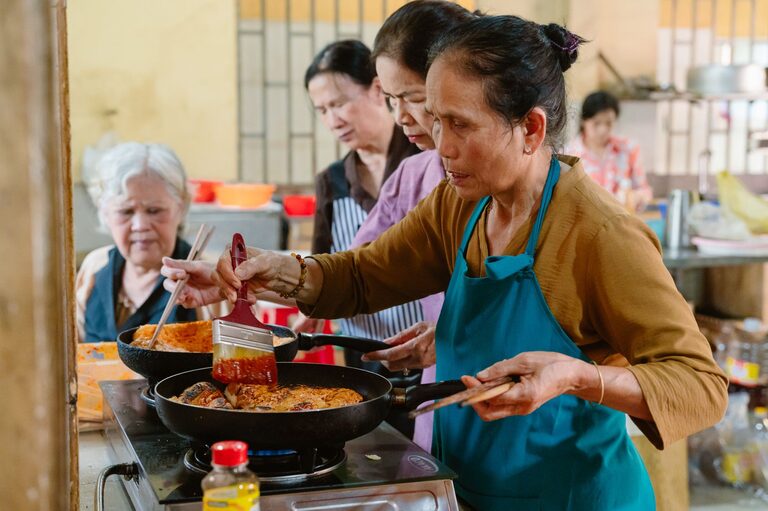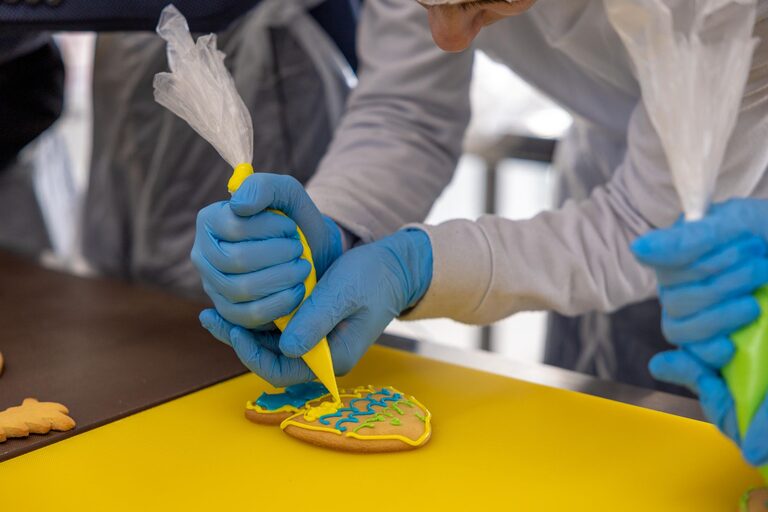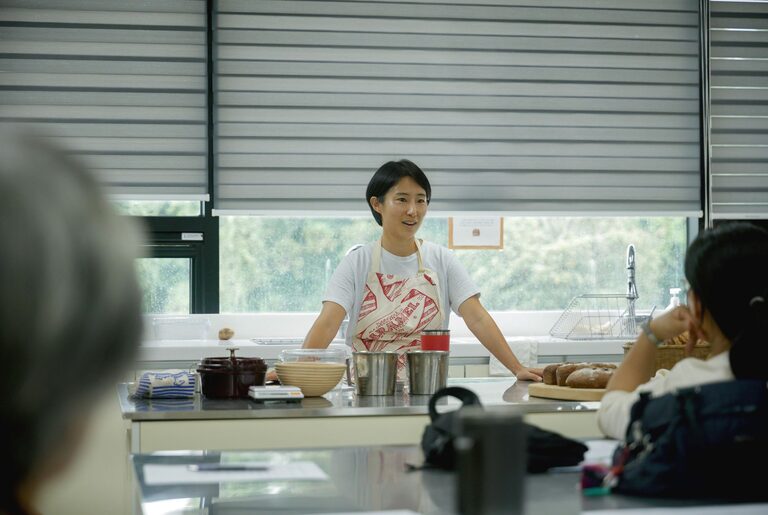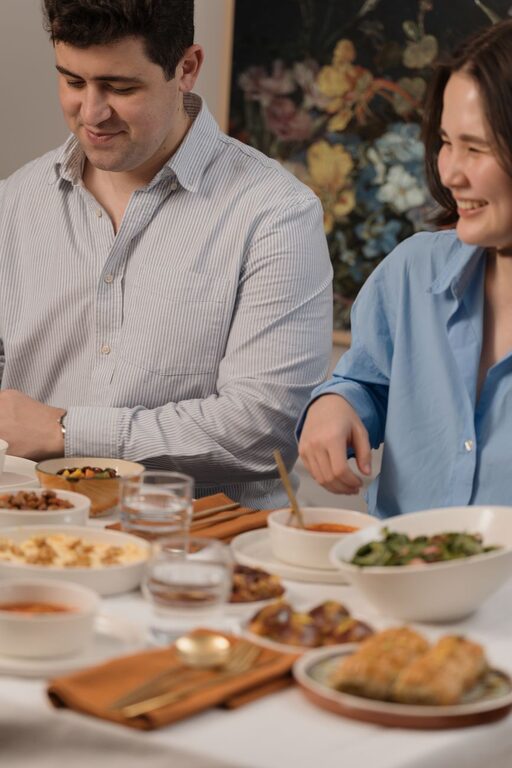

Local libraries are expanding their programs beyond traditional book clubs and computer classes with a fresh offering: food writing clubs for culinary-minded women. These groups combine the pleasures of cooking, storytelling, reading, and conversation in a welcoming community setting.
Food writing clubs give participants a chance to explore the stories behind meals, ingredients, traditions, and everyday kitchen experiences. Members may write personal essays, develop recipes, review cookbooks, or simply discuss how food connects people to places and memories.
For many participants, the appeal is both creative and practical. The clubs offer a low-pressure place to write regularly, meet neighbors, and learn from others who share an interest in food.
A New Kind of Library Gathering
Food writing clubs are part of a broader effort by libraries to create programs that reflect the interests of their local communities. While some groups focus on cooking demonstrations or cookbook discussions, others center on writing exercises and group feedback.
A typical meeting may include:
– A short discussion of a food-related book or article
– A guided writing prompt
– Time for members to share their work
– A recipe exchange
– A guest speaker, such as a local chef or food writer
– Informal conversation over coffee or a small snack
The format can vary from one library to another. Some clubs meet monthly, while others gather every two weeks. Meetings may be held in a library reading room, community space, teaching kitchen, or online.
Libraries often keep these programs accessible by offering them free of charge. Participants usually do not need professional writing experience, culinary training, or advanced equipment. A notebook, laptop, or phone is often enough to get started.
Why Food Makes a Strong Writing Subject
Food is a natural starting point for personal writing because it is connected to so many parts of daily life. A single dish can bring together family history, travel, celebrations, work, friendship, and change.
Writing about food can also help participants practice several useful skills, including:
– Describing sights, smells, textures, and flavors
– Organizing events into a clear story
– Creating engaging openings
– Explaining instructions in a helpful way
– Recording family or community traditions
– Revising writing for a specific audience
A simple writing prompt might ask members to describe the first meal they remember preparing. Another might invite them to write about a treasured kitchen tool, a memorable market, or a dish that changed over time.
These exercises make writing feel approachable. Participants do not have to begin with a major project. A short memory or recipe introduction can become the first draft of a longer essay, blog post, or collection.
Building a Supportive Space for Women
The women-focused format is designed to encourage conversation among people who may share some experiences in the kitchen, workplace, home, or community. It can also provide a comfortable setting for participants who are new to creative writing.
Group leaders often establish a few simple guidelines to support respectful discussion:
- Give each writer time to speak.
- Offer constructive feedback rather than harsh criticism.
- Ask before making changes to someone’s recipe or story.
- Respect personal and family traditions.
- Welcome different levels of cooking and writing experience.
The goal is not to decide which food traditions are “right.” Instead, members can learn how different households and communities approach familiar ingredients and meals.
Some participants may arrive with years of cooking experience. Others may enjoy food but rarely prepare elaborate dishes. A well-run club makes room for both groups by focusing on curiosity, storytelling, and shared learning.
From Recipes to Personal Essays
Food writing includes much more than recipe development. Library clubs may introduce members to several forms, each with its own style and purpose.
Recipe writing
Recipe writing combines clear instructions with useful details. Members may practice describing preparation steps, estimating cooking times, and explaining substitutions. They may also learn how to add a short introduction that tells readers why a dish matters.
Personal essays
A personal essay uses a food-related experience to explore a larger idea. For example, a writer might reflect on moving to a new city through the meals she learned to prepare there.
Restaurant and cookbook reviews
Reviews teach writers how to form an opinion and support it with specific examples. Members can discuss flavor, presentation, organization, clarity, and overall experience without relying on vague descriptions.
Food history and community stories
Some writers enjoy researching local ingredients, neighborhood markets, family traditions, or seasonal celebrations. Libraries are especially useful for this type of work because they provide access to books, newspapers, archives, and research assistance.
Profiles and interviews
Participants may interview a baker, farmer, cookbook author, or longtime community member. These projects help writers practice preparing questions, listening carefully, and shaping a person’s story.
How Libraries Organize the Clubs
Successful programs often begin with a clear theme and a manageable schedule. A librarian may create a six-week series focused on food memoir, recipe writing, or local culinary history. A recurring club may use a different theme each month.
Libraries can support the groups by providing:
– A comfortable meeting room
– Writing guides and cookbooks
– Access to online research tools
– Printing or copying services
– Information about local food events
– Space for readings or small exhibits
– Connections to chefs, authors, and community organizations
Some libraries invite a food writer to lead the first session and then allow members to shape future meetings. Others use a rotating leadership model, with participants taking turns selecting readings or preparing prompts.
A shared online folder or library webpage can also help members exchange resources between meetings. This may include recommended books, writing prompts, event notices, and links to published work.
Benefits Beyond the Meeting Room
Food writing clubs can have a lasting effect on both individuals and communities. Participants may gain confidence in their writing, discover a new creative routine, or complete a project they have postponed for years.
The clubs can also help preserve stories that might otherwise be lost. A family recipe becomes more meaningful when it includes the memory of who prepared it, when it was served, and how it changed over time. Local food stories can document markets, restaurants, gardens, celebrations, and neighborhood traditions.
For libraries, these programs create new reasons for residents to visit and connect. A person who joins for the food discussion may later discover a language class, research service, book group, or community event.
Getting Started at a Local Library
Anyone interested in joining or creating a food writing club can begin with a few simple steps:
– Check the library’s event calendar.
– Ask a librarian whether a food or writing group already exists.
– Suggest a short pilot series if no club is available.
– Invite local writers or culinary professionals to participate.
– Choose an accessible meeting time and location.
– Start with short, low-pressure writing activities.
– Celebrate progress with readings or a shared collection.
A club does not need a large budget or a professional kitchen to succeed. The most important ingredients are consistent meetings, thoughtful prompts, and a respectful group of participants.
As more libraries experiment with food writing clubs, these programs are giving culinary-minded women a place to turn everyday experiences into stories. In the process, they are showing how a library can be a kitchen of ideas: a space where people gather, learn, create, and share.
About the Author