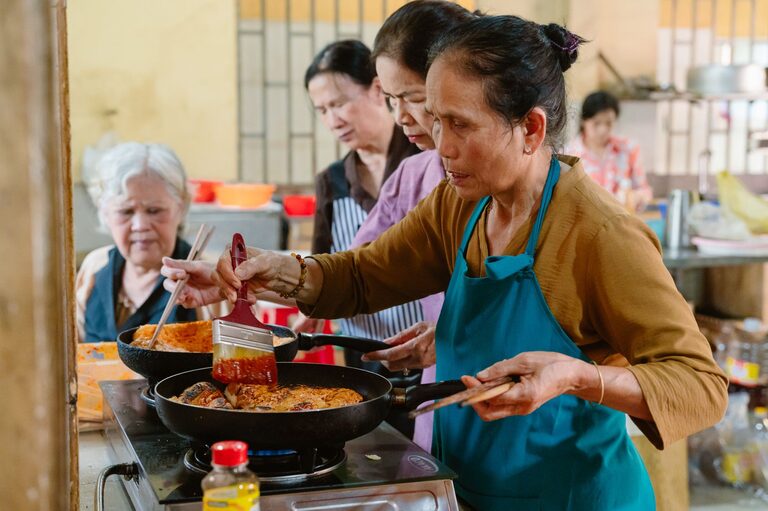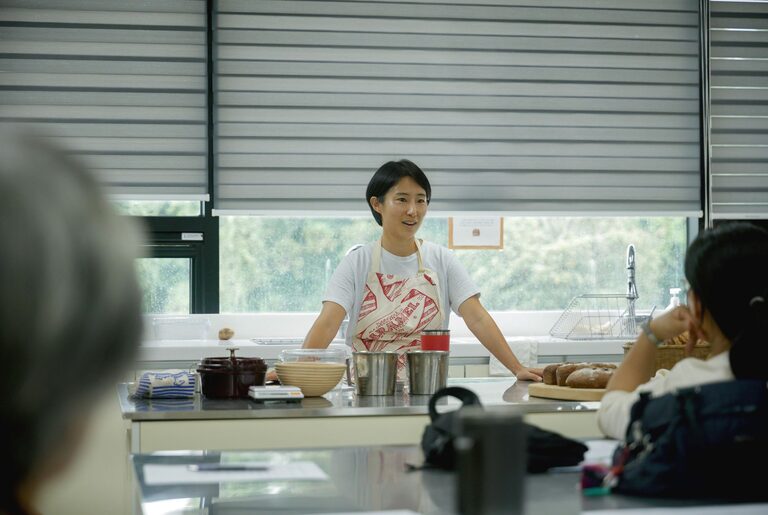
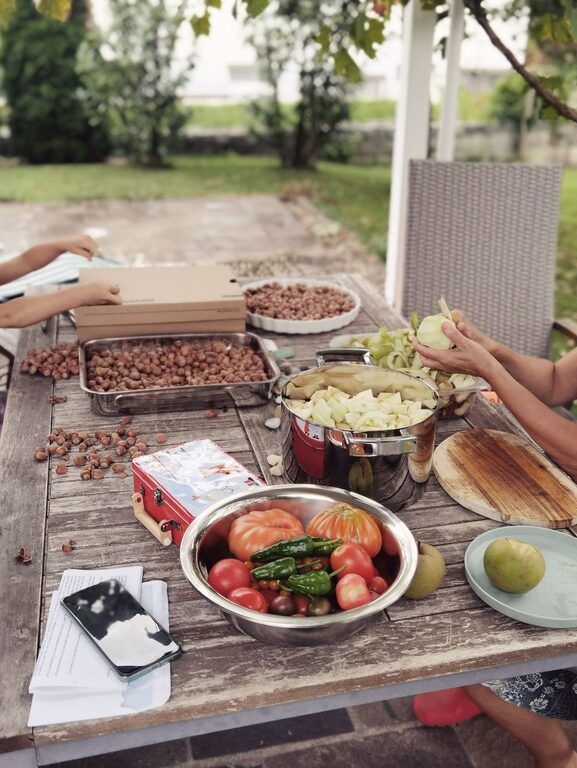
Garden-to-table workshops bring two enjoyable activities together: growing food and preparing it. Participants learn where ingredients come from, how to care for plants, and how to turn fresh harvests into simple meals. These workshops can take place in community gardens, schools, farms, local kitchens, or even backyards.
The format is flexible, making it useful for beginners, families, home gardeners, and anyone who wants to become more comfortable in the kitchen. Instead of treating gardening and cooking as separate skills, garden-to-table programs show how each step connects.
What Is a Garden-to-Table Workshop?
A garden-to-table workshop usually combines a gardening lesson with a hands-on cooking activity. The gardening portion may cover planting, harvesting, watering, composting, or identifying seasonal crops. The cooking portion then uses some of those ingredients in a recipe.
For example, participants might:
– Harvest leafy greens and fresh herbs
– Wash and prepare the produce
– Learn basic chopping or mixing techniques
– Make a salad, soup, salsa, or herb spread
– Share the finished dish and discuss what they learned
Some workshops follow a single ingredient from seed to plate. Others focus on a seasonal theme, such as summer tomatoes, autumn squash, or spring greens.
Learning Begins in the Garden
The garden provides a practical setting for understanding how food grows. Participants can see the difference between seedlings, mature plants, roots, leaves, flowers, and fruit. This hands-on experience often makes gardening feel more approachable than reading about it alone.
A beginner-friendly gardening session may include:
Choosing Suitable Crops
Instructors can introduce crops that grow well in the local climate and season. Fast-growing options such as lettuce, radishes, herbs, and some greens are often useful for workshops because participants can see results within a relatively short time.
The best choices also depend on the available space. Raised beds, containers, window boxes, and shared garden plots can all support useful lessons.
Preparing Soil and Planting
Participants may learn how to loosen soil, add compost, place seeds at the correct depth, and space plants properly. These tasks help explain why healthy growing conditions matter.
Planting activities can be adapted for different ages and experience levels. Beginners may work with larger seeds or starter plants, while experienced gardeners can explore succession planting or crop planning.
Caring for Plants
Workshops can demonstrate regular garden tasks, including watering, weeding, mulching, and checking plants for common problems. The goal is not to create perfect gardens but to build confidence through observation and practice.
Participants also learn that gardening takes time. Some crops are ready in days or weeks, while others require a longer growing period. This creates a natural opportunity to discuss patience, planning, and seasonal eating.
Turning Harvests Into Meals
Once the produce is ready, the workshop moves from the garden to the kitchen. This transition helps participants understand how fresh ingredients can be used without complicated equipment or difficult techniques.
Cooking activities often focus on simple recipes that allow the main ingredients to stand out. A workshop might prepare:
– A mixed green salad with homemade dressing
– Fresh salsa with garden tomatoes and herbs
– Vegetable soup using seasonal produce
– Roasted root vegetables
– Pasta with greens, garlic, and herbs
– A fruit dish made with a local harvest
Simple recipes are especially helpful for beginners. They reduce preparation time and make it easier to notice the flavor, texture, and color of the ingredients.
Building Basic Kitchen Skills
Garden-to-table sessions can introduce practical cooking techniques, such as:
– Washing and drying produce
– Using a knife safely
– Measuring ingredients
– Combining flavors
– Adjusting seasoning
– Reading and following a recipe
– Storing leftovers properly
These skills are useful beyond the workshop. Participants can apply them to many ingredients and recipes at home.
Instructors can also demonstrate ways to reduce waste. Vegetable stems, herb leaves, and extra produce may be used in stocks, sauces, garnishes, or future meals when appropriate. Learning to plan portions and store ingredients can help households make better use of what they grow and buy.
Connecting Food With the Seasons
One of the most valuable features of garden-to-table learning is its focus on seasonal food. Produce is often more abundant during its natural growing season, and workshops can show participants how menus change throughout the year.
A spring workshop may feature peas, lettuce, radishes, and herbs. Summer sessions can highlight tomatoes, cucumbers, peppers, beans, and berries. In autumn, participants may work with squash, apples, carrots, and leafy greens.
Seasonal cooking encourages creativity. When a garden produces more of one ingredient than expected, participants can explore several preparation methods. Tomatoes might become a salad, sauce, or roasted side dish. Extra herbs can be mixed into dressings, spreads, or marinades.
A Shared Learning Experience
Garden-to-table workshops are often designed around cooperation. One group may harvest ingredients while another prepares the kitchen area. Participants can then switch roles, work in pairs, or contribute to a shared meal.
This structure creates opportunities to:
– Exchange gardening tips
– Compare cooking methods
– Learn from different levels of experience
– Practice teamwork
– Share recipes and ideas
– Enjoy a meal together
The social element can be just as important as the practical instruction. A shared table gives participants time to talk about what worked, what surprised them, and what they would like to grow or cook next.
How to Plan a Successful Workshop
Organizers can create a strong garden-to-table experience by keeping the plan focused and realistic.
Start With One Clear Theme
A single ingredient or seasonal idea can make the workshop easier to follow. For instance, a “Fresh Herb Basics” session could include planting herbs, harvesting them, and preparing an herb-based dressing.
Match the Recipe to the Harvest
The cooking activity should reflect what is available in the garden. If the harvest is uncertain, organizers can prepare a backup ingredient or adjust the recipe in advance.
Prepare Tools and Workspaces
A successful session needs clean work surfaces, hand-washing supplies, cutting boards, utensils, bowls, and storage containers. Tools should be suitable for the age and experience of the participants.
Allow Enough Time
Gardening and cooking both take longer when people are learning. A relaxed schedule allows participants to ask questions, repeat unfamiliar steps, and enjoy the process without feeling rushed.
Include Everyone
Activities can be adapted for different abilities, ages, and experience levels. Some participants may prefer planting, while others may enjoy measuring, mixing, or explaining the recipe. Offering a variety of roles helps everyone take part.
Bringing the Experience Home
A workshop becomes more valuable when participants can continue the lessons afterward. Organizers may provide a simple recipe card, planting guide, harvest calendar, or list of recommended tools.
Participants can start small at home by growing herbs in containers, planting a few salad greens, or preparing one recipe with seasonal produce each week. Keeping notes about planting dates, harvests, and favorite recipes can also help build confidence over time.
Garden-to-table workshops show that fresh food is part of a connected process. From preparing soil to sharing a meal, each step offers a chance to learn. By combining gardening instruction with practical cooking, these workshops make food preparation more engaging, seasonal, and collaborative. Whether held in a community space or a small backyard, they turn everyday ingredients into meaningful learning experiences.
About the Author