
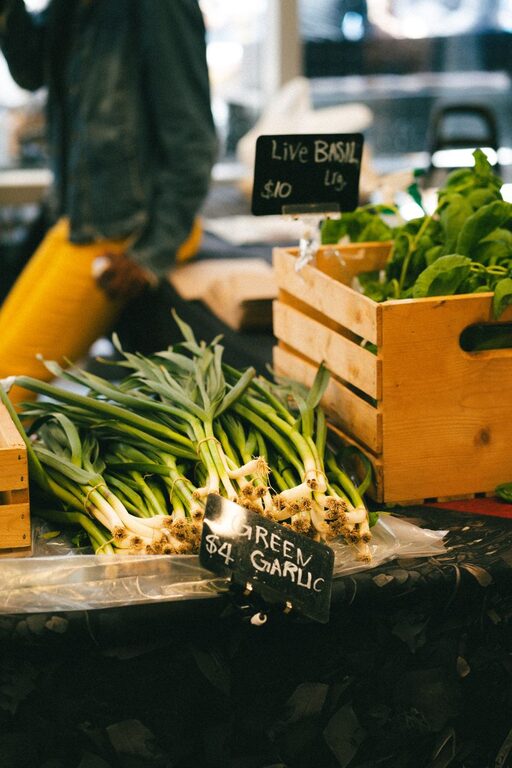
Farmers markets are more than places to buy fresh ingredients. They are also a source of ideas for anyone who wants to try something new in the kitchen. Each season brings different colors, flavors, and textures, making it easier to find inspiration for a new cooking hobby.
A basket of ripe tomatoes may lead to homemade sauce. A bundle of herbs can inspire a small windowsill garden. A display of apples might encourage weekend baking. By paying attention to what is available, home cooks can build skills naturally and enjoy food at its freshest.
Why Seasonal Market Trends Spark New Hobbies
Farmers markets change throughout the year. Vendors highlight produce when it is ready to harvest, so the selection often reflects the season more closely than a typical grocery store display. This changing variety encourages cooks to work with unfamiliar ingredients and explore new techniques.
Seasonal cooking also makes hobbies feel manageable. Instead of planning an ambitious project around ingredients that may be difficult to find, shoppers can begin with what is already plentiful at the market. A simple purchase can become a practical starting point.
For example, a shopper might notice:
– Abundant berries in early summer
– Fresh corn and tomatoes during warm months
– Root vegetables and apples in the fall
– Leafy greens, citrus, and stored squash during cooler seasons
These patterns make it easier to plan small projects, track progress, and return to favorite activities as the year goes on.
Pickling and Preserving Market-Fresh Produce
Pickling is a popular kitchen hobby because it can begin with a small batch. Cucumbers, carrots, onions, green beans, and radishes are all useful choices. The process turns extra produce into a flavorful topping or side dish that can be enjoyed later.
Beginners can start with quick pickles, which are stored in the refrigerator and do not require long-term canning equipment. A basic version usually combines sliced vegetables with a vinegar-based liquid, salt, and optional seasonings such as dill, garlic, or peppercorns.
Tips for Starting Small
– Choose firm, fresh vegetables.
– Wash and dry produce before preparing it.
– Use clean jars and utensils.
– Label each jar with the date and ingredients.
– Begin with one flavor combination at a time.
This hobby can also encourage creativity. A shopper may compare different vinegars, herbs, or spice combinations while keeping notes on each batch.
Seasonal Baking With Local Ingredients
Baking is another hobby inspired by the farmers market. Fresh fruit offers opportunities to make pies, muffins, crisps, cakes, and quick breads. Apples, peaches, pears, berries, and pumpkins each bring different textures and flavors to familiar recipes.
Seasonal baking does not have to involve complicated decorating. A fruit crisp, for instance, is a simple way to practice measuring, mixing, and balancing flavors. It can also be adapted based on what is available. Apples can be combined with pears, while berries can be mixed with stone fruit or citrus zest.
A Simple Baking Routine
Consider creating a weekly or monthly baking routine:
- Visit the market and choose one seasonal fruit.
- Find a recipe that matches your current skill level.
- Prepare the recipe without making too many changes.
- Record what worked and what you would adjust.
- Try the recipe again later with another fruit.
Repeating this process helps build confidence while keeping the activity connected to the seasons.
Fresh Herbs and Indoor Growing
Herb vendors often attract shoppers with fragrant bunches of basil, cilantro, parsley, mint, rosemary, and other greens. Buying fresh herbs can inspire a new hobby that continues beyond cooking: growing herbs at home.
A sunny windowsill, balcony, or small container garden may be enough to begin. Some herbs can be grown from young plants, while others can be started from seeds. Even a small setup gives cooks a reason to observe plant growth and use fresh ingredients regularly.
Fresh herbs can be used in:
– Salad dressings
– Soups and stews
– Grain bowls
– Sandwich spreads
– Homemade sauces
– Flavored water or tea
Growing herbs also helps reduce waste. Instead of buying a large bunch for one recipe, home cooks can pick only what they need.
Exploring Fermentation and Flavor Development
Market trends often include naturally fermented foods such as sourdough bread, cultured vegetables, or fermented beverages. These products can encourage curious cooks to learn more about how time affects flavor and texture.
For beginners, simple projects are the best place to start. Making a sourdough starter, preparing a small batch of fermented vegetables, or learning how yogurt is made can turn everyday cooking into a hands-on experiment.
The key is to follow a tested recipe and pay close attention to cleanliness, storage, and instructions. Fermentation involves specific conditions, so it is important to use reliable guidance rather than guessing. Keeping a notebook can help track ingredients, timing, temperature, and results.
This hobby is especially appealing to people who enjoy slow processes and careful observation.
Building a Recipe Journal
A recipe journal is a practical hobby for market shoppers. It can be a paper notebook, a digital document, or a collection of printed recipes. The goal is to record what was purchased, how it was prepared, and what changes might improve the dish next time.
Useful details include:
– The date and season
– The market or vendor
– Ingredients purchased
– Cooking method
– Preparation time
– Favorite flavors
– Ideas for leftovers
– Notes for future attempts
Over time, the journal becomes a personal guide to seasonal cooking. It can also reveal patterns, such as which vegetables are purchased often or which recipes work best for busy weeknights.
Trying One New Ingredient Each Visit
A simple way to turn market shopping into a long-term hobby is to choose one unfamiliar ingredient during each visit. This might be a variety of squash, a leafy green, a specialty mushroom, or a less familiar fruit.
Before buying, ask the vendor how the ingredient is commonly prepared. Then select one straightforward cooking method, such as roasting, sautéing, steaming, or adding it to a soup.
This approach keeps experimentation affordable and focused. It also creates a sense of discovery without requiring a complete change to the way meals are planned.
Making the Most of Seasonal Inspiration
The best kitchen hobbies are enjoyable, practical, and easy to repeat. Farmers markets provide a natural schedule for trying new activities because their offerings shift throughout the year.
To keep the experience sustainable:
– Start with small quantities.
– Choose projects that fit your available time.
– Use familiar recipes before attempting advanced techniques.
– Invite friends or family to taste and share ideas.
– Save successful recipes for the next season.
– Treat mistakes as useful information.
Seasonal market trends can transform routine shopping into a creative habit. Whether you begin with a jar of quick pickles, a loaf of fruit bread, a pot of herbs, or a simple recipe journal, each project offers a chance to learn. The changing market selection keeps the kitchen feeling fresh and provides inspiration for new skills all year long.
About the Author