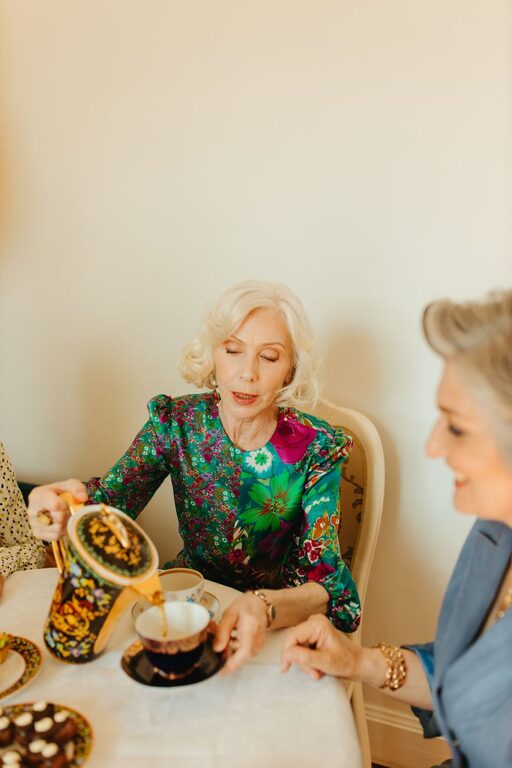
A Gentle Way to Explore Food and Friendship
Tea-tasting events are becoming a popular way for people to enjoy a relaxed culinary hobby. These gatherings invite guests to sample different teas, learn about their origins, and share impressions in a friendly setting.
For older women looking for an enjoyable activity, tea tasting can offer a comfortable balance of learning and social time. It does not require advanced cooking skills, special equipment, or a large time commitment. A typical event may last an hour or two and can take place at a tearoom, garden center, community space, specialty shop, or local food festival.
The focus is simple: slow down, pay attention to flavor, and enjoy good company.
What Happens at a Tea-Tasting Event?
Every event is a little different, but most follow a relaxed format. A host or tea specialist usually introduces several varieties and explains how they differ.
Guests may be invited to compare:
– Black, green, white, and oolong teas
– Herbal blends and flavored teas
– Loose-leaf and tea bag preparations
– Teas from different regions
– Seasonal blends and iced teas
– Traditional teas paired with small snacks
The host may discuss the tea’s aroma, color, texture, and taste. Guests often receive a tasting sheet where they can record notes or mark their favorite selections.
There is usually no pressure to identify every flavor correctly. The goal is to notice personal preferences and enjoy the experience. One person may prefer a bright citrus blend, while another may enjoy a rich, roasted tea.
Why Tea Tasting Appeals to Older Women
Tea tasting can fit easily into many lifestyles. It is social without being overwhelming and educational without feeling like a formal class.
A Comfortable Social Setting
Some hobbies involve large groups, loud spaces, or fast-paced activities. Tea-tasting events tend to be calmer. Participants can sit at a table, talk with others, and take part at their own pace.
This makes the activity appealing to women who enjoy meeting new people but prefer a quieter atmosphere. Events may also attract a mix of beginners and experienced tea drinkers, creating easy conversation between guests.
A Chance to Learn Something New
Tea has a long history and many simple details to explore. Guests may learn how growing regions, harvesting methods, drying, and brewing affect flavor.
A host might explain why one tea is served with cooler water or why another benefits from a longer steeping time. These small lessons can make an everyday cup of tea feel more interesting.
An Accessible Culinary Hobby
Tea tasting is culinary in nature, but it does not require complicated recipes. Participants can explore taste, aroma, and food pairings without preparing a full meal.
The hobby can also continue at home. After attending an event, guests may wish to create a small tasting tray with a few teas, cups, hot water, and simple snacks.
The Social Side of the Experience
For many attendees, the conversation is just as important as the tea. A tasting can provide a natural setting for chatting with friends, meeting neighbors, or connecting with others who share an interest in food.
Organizers may include discussion questions such as:
– Which tea did you enjoy most?
– Did the aroma match the flavor?
– Which tea would you serve to guests?
– What snack would pair well with this blend?
– Would you prefer the tea hot or iced?
These questions help keep conversation moving without making anyone feel put on the spot. Some events also include short demonstrations, local vendors, book displays, or small take-home samples.
Tea-tasting groups can become regular social circles. A monthly gathering may give participants something pleasant to look forward to while helping them build new friendships.
How to Choose the Right Event
Not every tea-tasting event has the same style. Before registering, it helps to look at a few practical details.
Consider the Event Format
Some tastings are informal and designed for beginners. Others may focus on a particular country, tea-growing region, or preparation method.
Look for descriptions that explain:
– The number and types of teas included
– The expected event length
– Whether snacks or light meals are served
– How many people usually attend
– Whether the tasting is seated
– What is included in the admission price
A beginner-friendly event should explain the process clearly and welcome questions.
Check the Location
A convenient location can make the experience more enjoyable. Consider parking, public transportation, seating, restroom access, and the distance from home.
Community centers, libraries, garden clubs, and local shops may offer smaller events with a familiar neighborhood feel. Tearooms and culinary schools may provide a more structured tasting experience.
Ask About Dietary Options
If food is served, guests may want to ask about the menu in advance. Tea pairings often include biscuits, sandwiches, fruit, pastries, or other small bites. Event organizers can usually explain what will be available and whether alternatives are offered.
Creating a Tea Tasting at Home
A home tasting can be a simple way to continue the hobby between events. It can be arranged for two friends or a larger group.
Basic Supplies
You do not need a large collection of equipment. A small gathering may require:
– Three or four types of tea
– A kettle or hot water source
– Cups or small tasting glasses
– A teapot or heatproof containers
– Spoons
– Water for rinsing the palate
– Plain crackers or fruit
– Paper and pens for notes
Serve the teas in a clear order, beginning with lighter flavors and moving toward stronger ones. Use separate cups when possible, or rinse each cup between samples.
Keep the Menu Simple
Choose a theme to make planning easier. For example, a host might serve several green teas, compare flavored black teas, or explore blends that include flowers and fruit.
Small food pairings can add interest. Mild crackers, plain bread, fresh fruit, or lightly sweet biscuits allow the tea’s flavor to remain the focus.
The host can provide a short description of each tea, but there is no need for a formal presentation. Guests may simply discuss what they notice and choose their favorites.
Making the Hobby Your Own
Tea tasting can remain a casual social activity or develop into a deeper interest. Some people enjoy collecting attractive cups, while others keep a notebook of teas they have tried. A few may learn about tea traditions around the world or experiment with cold-brewed tea during warmer months.
The hobby also pairs well with other interests. A garden club might host a tasting with herbs grown locally. A book group could serve tea connected to a story’s setting. A cooking club might explore tea-based desserts or creative pairings.
The most important part is to keep the activity enjoyable and flexible. There is no single correct way to taste tea.
A Simple Invitation to Slow Down
New tea-tasting events offer more than a chance to sample beverages. They create a welcoming space for conversation, curiosity, and light culinary exploration.
For older women seeking a relaxed hobby, tea tasting can be easy to join and simple to continue at home. Whether attending a local gathering or hosting a small tasting with friends, participants can discover new flavors while making time for connection and enjoyment.
About the Author