Food can carry more than flavor. A handwritten recipe may preserve a family’s language, migration story, holiday customs, or memories of everyday life. For many women age 65 and older, recipes are also a way to pass on knowledge that may not have been written down before.
Heritage recipe projects are helping make those stories easier to preserve and share. These projects may be organized by libraries, museums, community centers, senior groups, schools, or local history organizations. Participants bring recipes, photographs, kitchen tools, and memories to create a record of family food traditions.
The goal is not simply to collect instructions for making a dish. It is to understand the people, places, and experiences behind the recipe.
What Is a Heritage Recipe Project?
A heritage recipe project gathers food-related memories from a group of people and creates a shared archive. The final collection might be a printed cookbook, a digital exhibit, a recorded interview series, or a community event.
Participants are often invited to share:
- Family recipes, whether written or remembered
- Stories about who prepared a dish and when it was served
- Photographs of family meals, kitchens, or celebrations
- Notes about ingredients, cooking methods, and substitutions
- Memories connected to holidays, work, school, or community life
- Words or phrases used to describe foods in a family’s home
Some projects focus on a particular neighborhood, cultural group, region, or generation. Others invite anyone in the community to contribute. Each approach can reveal how food traditions change while still keeping important connections to the past.
Why Women 65+ Are Central to These Projects
Women have often held important roles in planning meals, teaching cooking skills, preserving seasonal foods, and organizing family gatherings. While family responsibilities have varied widely, many older women have accumulated a detailed knowledge of ingredients, techniques, celebrations, and household routines.
Much of this knowledge may be informal. A recipe might be remembered as “a handful of flour” or “until it looks right.” Cooking instructions may have been learned by watching a parent, grandparent, neighbor, or friend rather than by reading a cookbook.
Heritage projects give participants a chance to explain those details in their own words. They can describe how a recipe was learned, how it changed over time, and what makes it meaningful.
For some women, contributing to a project is also a way to recognize work that was traditionally done behind the scenes. Preparing meals, preserving food, and teaching others may not have been recorded in official histories. A recipe archive can help document these everyday contributions.
From Recipe Cards to Recorded Memories
Many projects begin with familiar objects. A participant may bring a box of recipe cards, a stained cookbook, or a notebook filled with handwritten instructions. These items can serve as starting points for conversations.
A project leader might ask questions such as:
- Who taught you to make this dish?
- When did your family usually serve it?
- What ingredients were easy or difficult to find?
- Did the recipe change when your family moved?
- What do you remember about the kitchen or people who cooked with you?
- Is there a story connected to a particular meal?
The answers often add context that a standard recipe cannot provide. A simple soup may be connected to a winter tradition, a garden harvest, or a neighbor who shared ingredients. A cake may recall a birthday, wedding, or community fundraiser.
Some organizations record interviews with permission. Others ask participants to write short reflections or dictate stories to a volunteer. The format can be adapted to different comfort levels and abilities.
Building Connections Across Generations
Heritage recipe projects often include younger family members or community participants. Children and teenagers may help scan photographs, type recipes, record interviews, or design pages for a digital collection. These activities provide practical ways for generations to work together.
The conversations can be just as valuable as the finished project. A young person may learn why a family uses a certain ingredient, while an older participant may discover that a familiar recipe is new to the next generation.
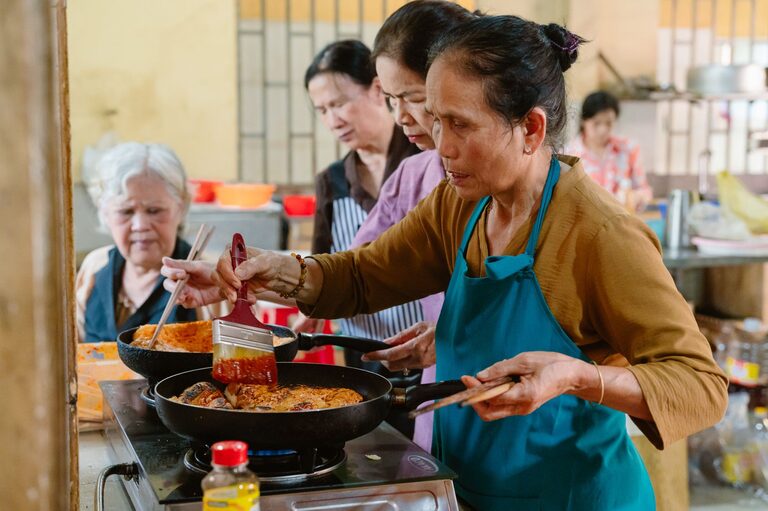
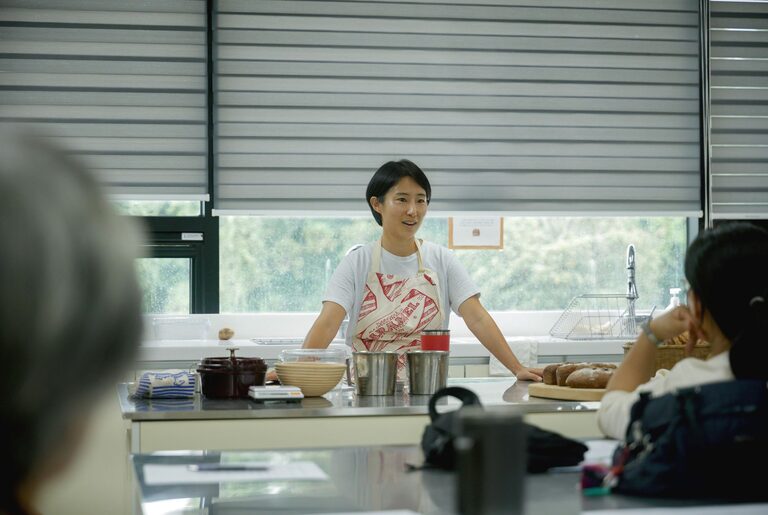
Cooking together can extend the project beyond collecting stories. A community center might host a recipe demonstration, while a school could invite participants to talk about food traditions. Families may prepare a dish together and compare the original method with a newer version.
These shared activities help show that heritage is not fixed. Traditions can be preserved while still adapting to new kitchens, schedules, ingredients, and tastes.
Preserving More Than Ingredients
A strong heritage collection records details that are easy to overlook. For example, the way food was served may reveal family customs. A recipe might have been made only for guests, prepared in large quantities for a religious or seasonal event, or packed for workers and students.
Projects may also document practical knowledge, including:
- How to measure without standard tools
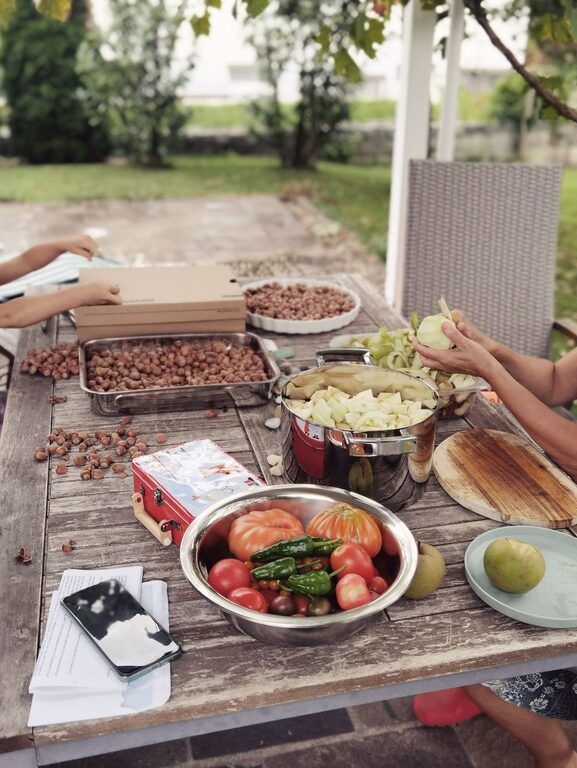
- How to preserve fruits, vegetables, or herbs
- How to cook with limited equipment
- How to replace unavailable ingredients
- How to prepare food for large gatherings
- How to use leftovers creatively
These details can make a collection useful for future cooks. They also show how families responded to changing circumstances. A recipe may reflect a period when food was scarce, a move to a new region, or the influence of a neighboring community.
Making Projects Welcoming and Accessible
Organizations planning a heritage recipe project can take several steps to make participation comfortable for older adults.
Offer multiple ways to contribute
Not everyone wants to speak in a recorded interview or type a long story. Participants might submit a photocopy, answer questions in a small group, write notes by hand, or work with a volunteer.
Explain how materials will be used
Participants should know whether their stories will appear in print, online, or at a public event. Clear permission forms and simple explanations help people make informed choices about photographs, names, and recordings.
Respect different kinds of cooking knowledge
A recipe does not need to be precise or professionally written to be valuable. Memories, approximations, family expressions, and personal variations can all be part of the record.
Provide practical support
Large-print forms, comfortable seating, transportation information, and flexible meeting times can make it easier for people to take part. Volunteers can help organize materials without changing the participant’s voice.
Keeping the Collection Useful Over Time
Once recipes and stories have been gathered, organizers need a plan for preserving them. Printed books should be stored in a dry, safe place, while digital files should be labeled and backed up. Important information can include the contributor’s name, the recipe’s approximate date, its location, and any permission limits.
A collection can remain active through:
- Annual cooking demonstrations
- Community recipe exchanges
- Library displays
- Family history workshops
- Digital story collections
- Updates that include new generations
Keeping the project active encourages people to add corrections, new memories, and updated versions of recipes.
A Living Record of Family Life
Heritage recipe projects show that history can be found in ordinary places: a kitchen notebook, a familiar casserole, or a story told while preparing a meal. For women 65 and older, these projects offer a meaningful way to share knowledge and recognize the experiences connected to food.
They also give families and communities a chance to listen. By combining recipes with personal stories, projects create a richer record of the past—one that can be cooked, read, discussed, and passed forward.
About the Author